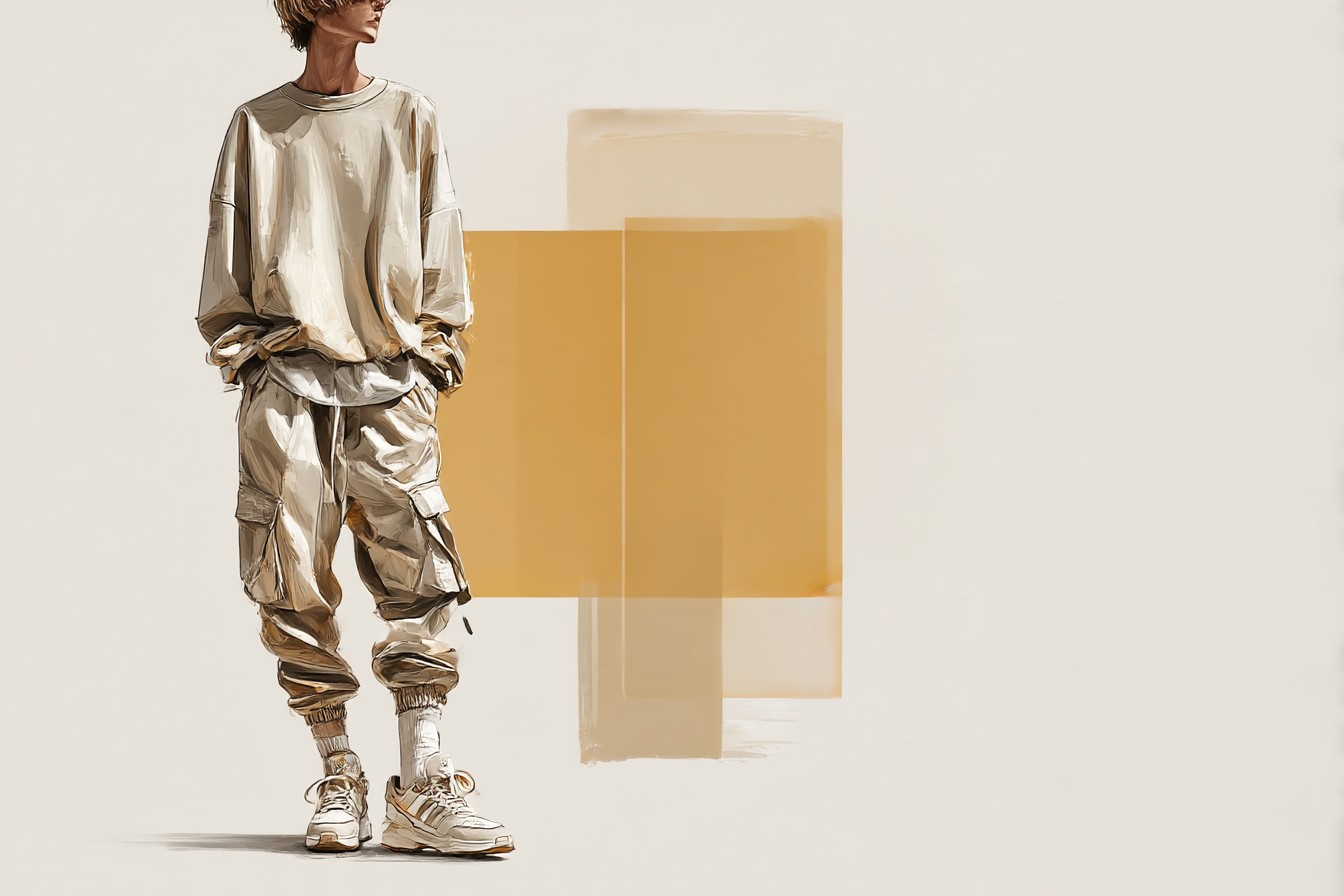
Okay so my mom bought me some joggers for Christmas. Great, awesome I love joggers, love my mom. But she picked them from the women’s section because they were on sale and also did not think anything of it, and I didn’t think about it either until I tried them on pre-picture text to my group chat. Devin responded with a lone question mark. Marcus who is approximately forty took it as an actual legal opinion and texted back “those fit fine, why are you asking.” And that right there was pretty much summary of the entire saga. Nobody noticed.
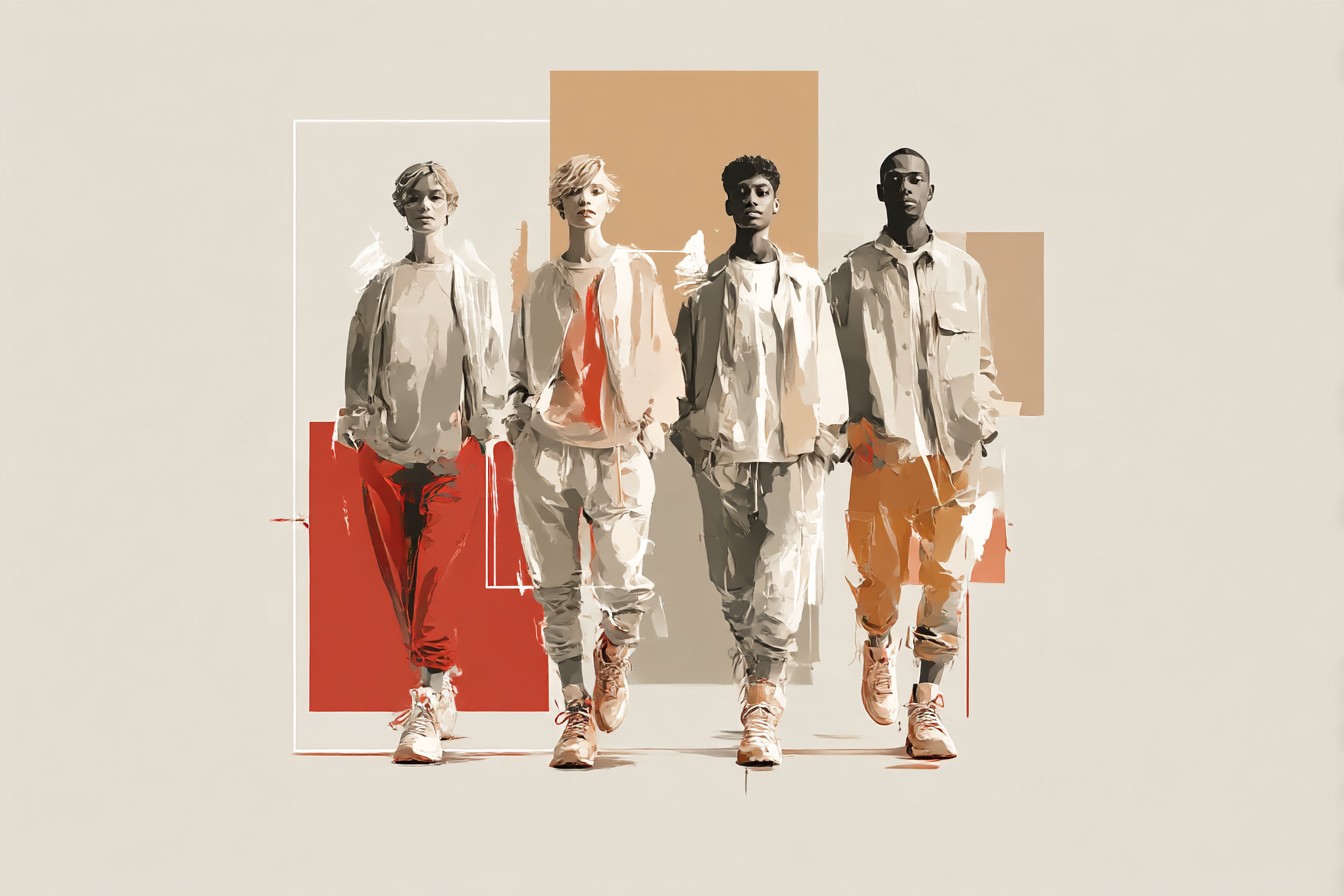
The joggers did not blow anyone’s gender construct at any point all day. They just fit and they were soft and I filmed a video in them and then went to get pizza after filming in them and not a single person realized.
The real question people mean when they ask “does it matter if joggers are women’s” is “can a man wear women’s joggers?” And yes. Of course he can. I did for an entire week before even realizing what I was doing, which really should answer the question but I’ll actually explain why the label is meaningless versus what you think it means.
The size tag is full of more lies than the pants are
The first thing no one tells you. When you see “men’s” and “women’s” on a piece of clothing that is not a fundamental difference in the cut and fabrication, it’s a size convention. Companies create a block, or template that has all the same rough shape and proportion sizing scaled to different measurements, then brand it based on assumptions around hip size to waist size ratio and inseam length, not because there’s any inherent truth to whether a man can wear it or a woman can wear it. The pant itself doesn’t know your gender. It just knows your measurements.
The things that actually change between “women’s” and “men’s” pants are almost always rise (how high they hang), taper (how skinny they are at the ankle), and some women’s pants have shorter pockets apparently because the law has cursed them to never fit your hand. none of those things care about your gender they care about your body type and what you want the pants to look like. If you have a shorter torso and slimmer hips you may find a women’s cut actually fits you better than the men’s option of the exact same style despite what genitals you have or how you identify. I learned this unintentionally when trying on clothes and my mom learned it while unknowingly buying me sweatpants but together we discovered the truth of how little those words matter on a label before we even intended to start researching the subject.
I put on a pair of my own “men’s” joggers next to my moms and laid them flat on the ground so they were right on top of each other and the difference in the ankle taper was half an inch, maybe less. Half an inch! Half an inch people are having national identity crises over. I actually measured it twice.
Brands know this, mind you. They’re not suffering from some vague confusion about the entire concept, they recognize a damn hoodie when they design one. Gender is largely there for marketing sections and dictating what side of the store or website you find things on, not some misguided idea about protecting the sanctity of women’s pants. Once you realize that it’s a sectioning and product placement choice instead of an actual rule about how garments are constructed the whole question of “well can men wear women’s joggers?” really solves itself because you’re no longer asking if you can wear a tube of fabric, you’re asking if you care where that tube of fabric came from and when you phrase it like that it’s just as stupid as it actually is.
None of that even matters because the test we’re not running is simply: do they fit you well?
Put the tag out of your mind for a minute and think about what you actually care about. You want a certain rise so they don’t pinch when you sit down to stream for twelve hours, you want pants that don’t hug your calves if you hate that look, you want a fabric that won’t pill after two washes because let’s face it living clothes don’t last forever and scrubbing softer fabric kills it faster, like god RIP to the joggers I bought because they looked cool and trendy and I realized three weeks too late they werenret and my subscribers who bought them based on my video are probably kicking me right now but we’ll work something out. What you wear doesn’t care about what tag is sewn into the inside of your waistband.
I tried on five pairs of joggers as part of a side test I did for a video (it ended up not making the cut cause the lighting sucked for the sparks challenge) that were all labeled medium. Two were women’s and three were men’s. And not once did the men’s fit exactly the same between different brands. They varied more between what was designated “for men” than what was arbitrarily genders we’re putting on sweatpants. This isn’t a sex issue. This is “Companies don’t agree on sizing so anything you wear could plausibly fit you weird” issue and add gender to that and it’s still not going to change those inconsistencies.
Maybe that women’s pair has a shorter inseam and slightly more taper and that works better on your legs than the men’s do. Wearing them isn’t political, it’s just you dressing yourself correctly.
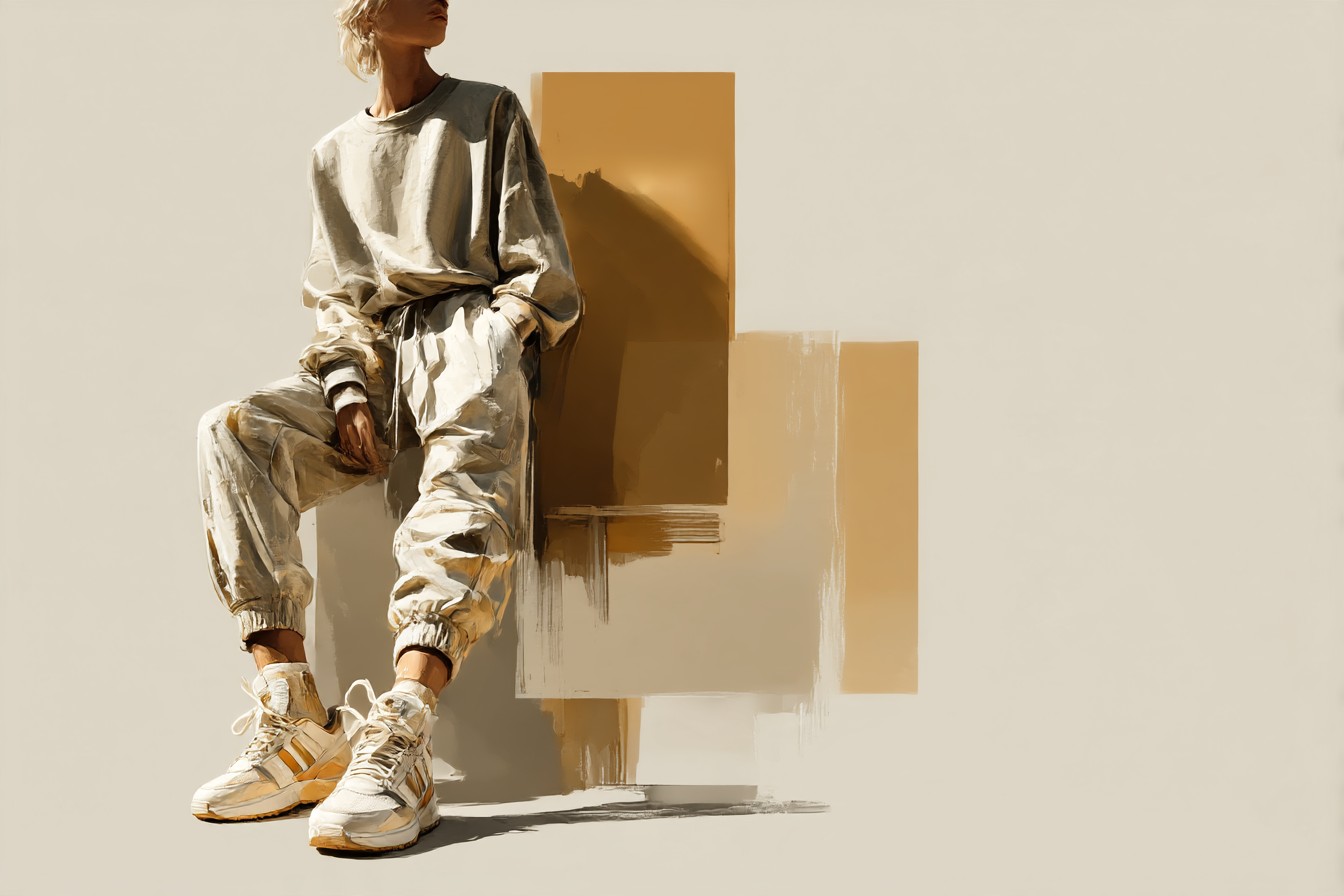
The only yes or no you should ask yourself is do they look good? Do they feel good? When you? Walk, sit, run to catch the bus, however you need to move around your day will demand it, not how some tiny label wants you to think about them. After that it doesn’t matter what section of the store it came from or what they call it on eBay when you resell them.
I’m not encouraging you to go out and buy women’s joggers to prove a point everyone already knows you “can” do, that’s pedantic for reasons we already covered and trust me it’s boring enough to put clothes on to fit your body without rocking the junk truck through internet hoops. What I’m asking is that you let go of these three letters overriding what your own brain tells you when you look in a dressing room. Mine told me they fit, my moms receipt said they were from another aisle. One of those seemed important and it wasn’t the receipt.

Jamie is in his early twenties, lives in Manchester and makes menswear content for a living. He writes about whatever’s actually trending this week, fast and a bit chaotic, and he’ll happily tell you when he got it wrong.