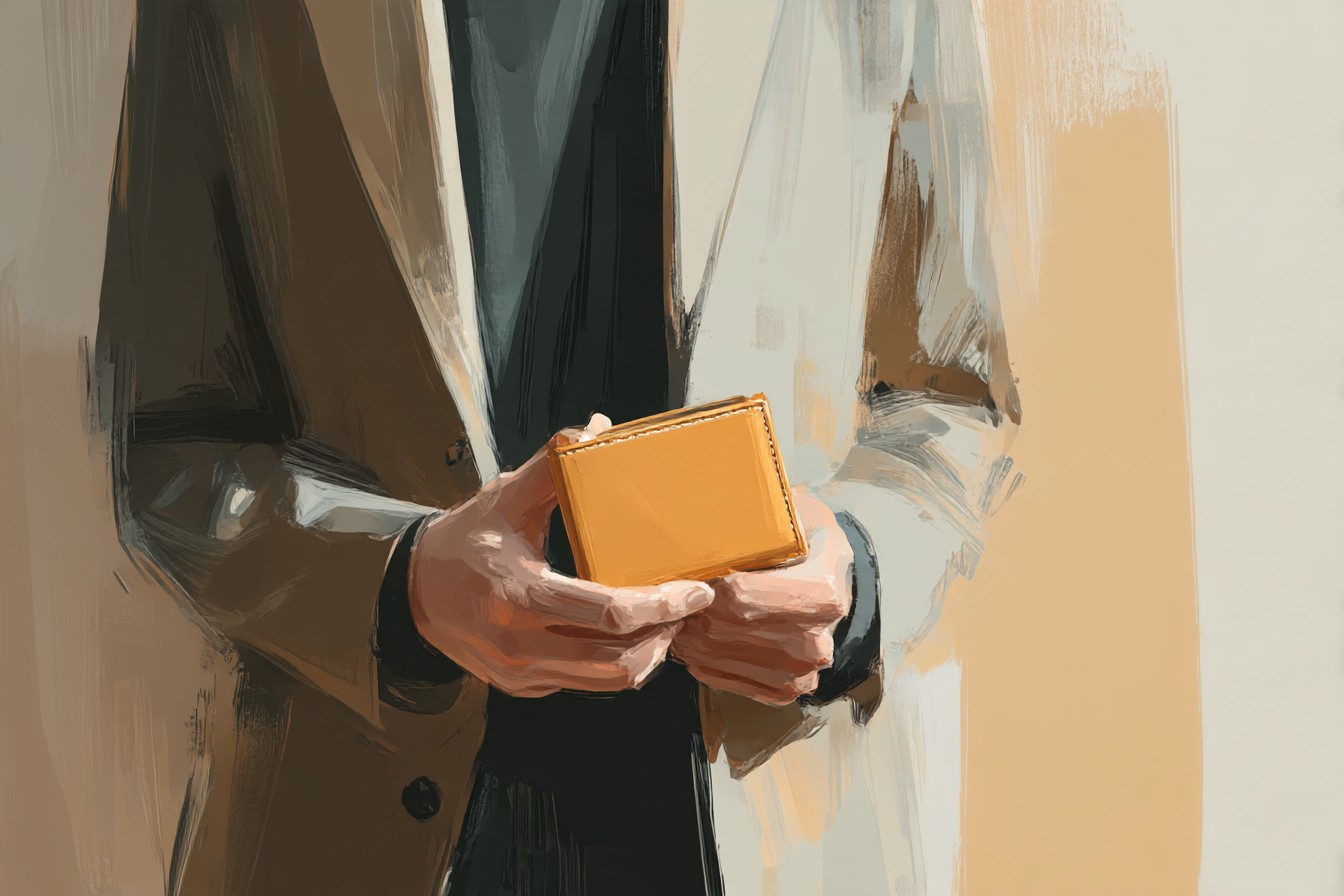
My mom texted me this. Fair warning, this is where we end up talking about menswear history on a Tuesday. She sent me a picture of two shirts hanging next to each other at a thrift store. Identical cut, similar weight, similar color, one has a chest pocket, one doesn’t, and just wrote “why.”
She did not include a question mark. Just why.
Why.
I didn’t know. Me, who’s bought probably sixty button ups in the last four years in pursuit of specific fits and specific fabrics suddenly realized I’ve never once paused to consider why some have a little rectangle of extra fabric sewn on the left side of my chest and some don’t.

So I researched. Cause that seemed healthier than just texting her back “no idea lol.” Let’s dive in.
The pocket wasn’t always optional, it was the whole point
The first thing to know is this: The pocket on a dress shirt isn’t just decorative. It wasn’t some accessory some sewing dude slapped on to make things fancy. It’s a holdover from actual workwear, plain and simple. Back before shirts were things you wore under a jacket they were whole outfits, for a lot of men doing manual labor. Guys needed a place to put a pack of cigarettes, or a pencil, or a folded up list, or anything else they’d otherwise have to carry in their hand or leave behind. The chest popped first showed up on work shirts and carpenter’s shirts way before anything you might call dressy or formal, because it was functional in the most literal sense possible. It was not an afterthought, it was necessary.
British/Irish/American/formal shirtmaking on the other hand never needed that pocket. Like I said, if you’re wearing a jacket the jacket has pockets. If you’re wearing a waistcoat you got pockets there too. A shirt, in that world’s opinion, is a clean white panel that shows a sliver of collar and cuff and isn’t seen otherwise. A pocket on a formal shirt disrupts that. To someone that cares about drape, a tailor specifically, a pocket is the visual equivalent of a stain on a shirt. They fight you putting it on a shirt, patch it up or remove it entirely if it’s already there, and believe me I did not think there were this many closet textile fascists until I started digging into this.
Now you’ve got two completely separate histories doing two completely separate things, but they happen to look kind of similar enough on a clothes hanger that my mom was not alone in assuming there was one answer to this. There is not. Workwear shirts have pockets because they need to, dress shirts don’t care either way, and American made to market stuff played both sides throughout the twentieth century, quietly flipping the pocket on and off depending on what shirt they were copying that season which is why the pocket ends up on some casual shirts and not others with no rhyme or reason why beyond “that’s the tradition it’s loosely based on” and almost nobody actually making those shirts stops to think about it at all.
What it actually means for you, standing in a store, holding a shirt
Alright, so that’s the boring history lesson bit, and it’s good enough of an answer that I can send that over to my mom and feel good about it. But it’s not really what she asked and it’s not the one you want either if you’re in the spot right now, wondering, hand on a shirt. So here’s what I know now. How to actually answer your own question.
A pocket adds mass to your chest. Visual mass. It’s literally physics. On a slim frame or narrow chest that extra bulk can throw off your shirt. It unbalances your look slightly, draws the eye to your pocket when you want it looking at your actually impressive face, makes a fitted shirt look uneven when you’re just trying to take a cool shirt pic. Guys with broad shoulders and bigger chests? Pocket isn’t fighting you, there’s enough space for your phone and a magazine if you want it.
Shirts you wear under something, maybe a jacket, definitely a suit, should 100% not have a pocket. The handful that intentionally do usually just looking like they don’t know what shirt they want to be. If you’re wearing a shirt alone, however, with the sleeves rolled, anything goes. The pocket on that shirt is put back to its intended use of actually keeping something you need handy instead ofjust holding pockets.
The easiest rule though? Are you tucking it in? If the answer is yes then any pouch-pocket’s pretty much decorative. Nothin’ going in there, so does it look weird without?
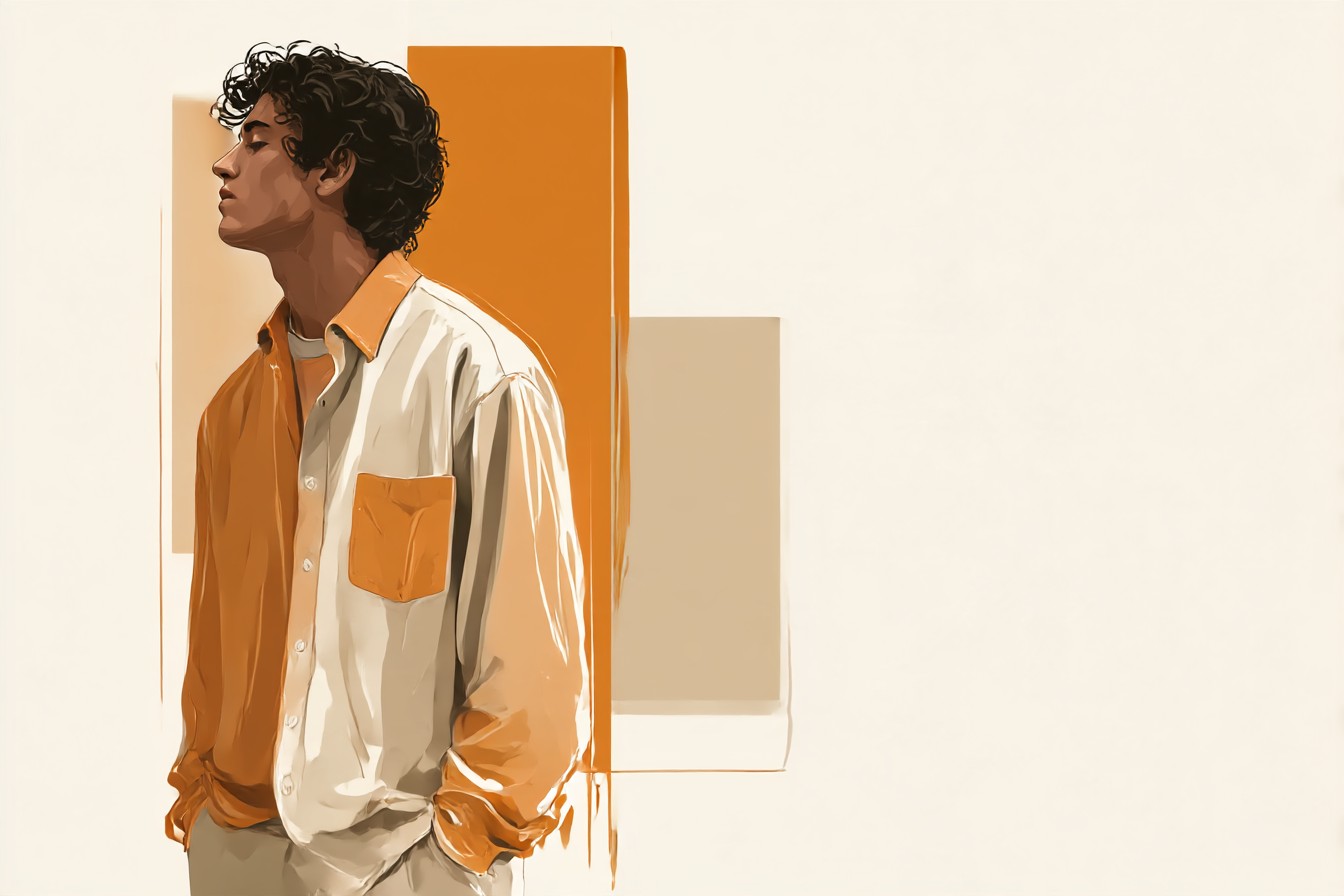
That’s your only question. Untucked? Lose and leave that bad boy alone, pockets fully function at their intended job and I say take’em every time.
Sent my mom the tl;dr. She replied “oh so it’s basically for cigarettes originally,” which yes, pretty much is always why they were there in the first place, but then asked which one looked better and said the one without did, opted for that one, and was completely unphased by my guy dissertation on pocket history. To which I say, fair. You spend maybe two minutes thinking about whether to get a pocket on a shirt your entire life. The internet article that explained it to you spent hours. The correct outcome is always the one where you pick what looks best on you, in that moment, standing in front of the damn mirror.

Ryan is a Nottingham resale obsessive who hunts secondhand trainers and streetwear, and can tell you which app, which search term and roughly which hour a good listing drops. He also knows how to check a pair is genuine.