I pulled a pair of women’s trousers from a thrift store discount rack last month because they were cheap and looked like they’d weather a Minnesota winter better than their counterpart on the mens’ rack next to them. I didn’t realize what rack they came from until later when I opened the tag at home. Roomy through the thigh, but actual room at the waist. Rise that landed where my hip actually is instead of three inches nearer my ribs. I wore those trousers to school last Monday. No one noticed.
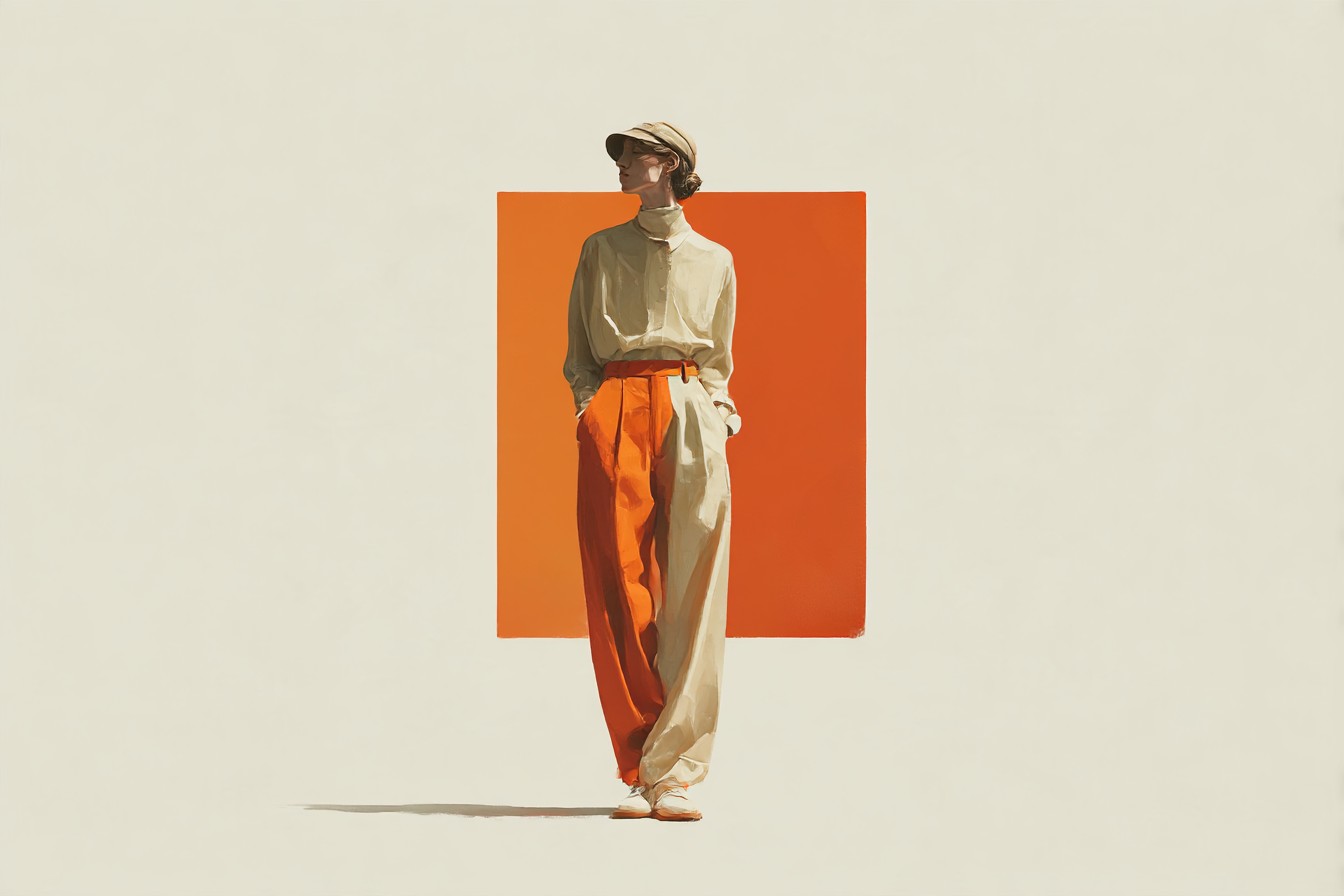
No one cares. The only person who said anything about it was one of my students who told me my new pants made me look “less like a dad” than my normal trousers.
Okay, maybe that’s overselling it. But only a little. That’s basically the entire argument. I could stop right there. But I also want people to actually understand why it doesn’t matter where a pair of pants is cut from when you’re actually wearing them, so let’s talk about why for a minute. I’ve spent years making sure I only looked at the men’s rack for pants because I thought that was the only place I was allowed to look and it led me to wear a bunch of pants that don’t fit me right.
The label is doing informational work you don’t care about
The first thing nobody tells you when you’re eight years old and standing in the boys’ department wondering why every pair of “Big Boy” chinos you try makes your backside look like it’s going to pop out of the pants is this: those labels aren’t trying to talk about you. At all.
The reason boys’ and men’s pants are cut differently than women’s and girls’ is a mathematical average of body shape a few generations of pattern makers stopped questioning decades ago split into two groups that were never designed to overlap much. Boys’ and men’s pants are cut with the expectation that your waist and hips are relatively straight up and down compared to girls’ and womens’, which allows for shorter rise heights. Girls’ and womens’ sizes typically assume you have more curve from waist to hip and design their cuts with a lower rise and closer taper through the thigh. There are patterns everywhere that break all those rules. These are just common ones.
More importantly, those are construction decisions, not biology. They’re tendencies, not rules. Patterns built for women will fit many bodies that live in the men’s section and vice versa just fine. I just happens mine do a better job of fitting my actual shape in places that matter to me when I sit down if I dip into women’s trousers now and then.
I happen to have a waist-to-hip/thigh ratio that’s narrower than most men’s clothing assumes. For years I bought men’s clothing that gapped down the back of my pants and had to get them altered by a tailor in Minneapolis every six months just because that was the tradeoff I had to accept for having hips that didn’t align to the size label. It didn’t occur to me that a pattern meant for a slightly different shape would actually fit me better until I grabbed a perfectly good pair of women’s trousers from a clearance rack not because I was thinking too hard about menswear bullshit, but because I was thinking too little.
The numbers themselves are their own problem. Waist measurements that don’t actually match between the women’s and men’s side of the store. A size 32 that means two different things depending on what label you picked it from. That part sucks, it’s not liberating. But that’s a lessons problem, one you solve with a tape measure and a little patience in the fitting room, not a sign that you should ignore one rack in favor of the other.
I keep seeing people make that mistake. Talking about the inconsistent sizing like it’s the same problem as something meant to explicitly shut you out. It’s not.
The person at the bus stop doesn’t care about the tag sewn into your pants
I’m not trying to say anything big here about gender. I can’t. It’s a complicated topic that doesn’t have any real answers and I’m a dude who teaches 8th grade science for a living. That’s all I have to say about that. But what I can say, and what I think is useful, is your pants don’t come with a driver’s license. The tag in the waistband that says who it’s “for” is not a passcode you have to shout to everyone who sees you so they know you’re allowed to wear that shirt.
It’s a suggestion by the people who made them about how they expect you to fit through them. Not a certification of your gender. Nothing you wear is going to “prove” anything to anyone anyway; the only thing that matters to me is whether they work. Can I reach up and grab something off the top shelf without feeling constricted. Do they shine through four flights of stairs without pulling funny at the knee. Will they keep my private parts warm when I’m standing out in February watching kids on recess duty and wondering why I didn’t wear the good long underwear?
Patches of fabric don’t know or care what other patches of fabric they’re supposed to be compared to. They either fit your body and move how you want them to, or they don’t.
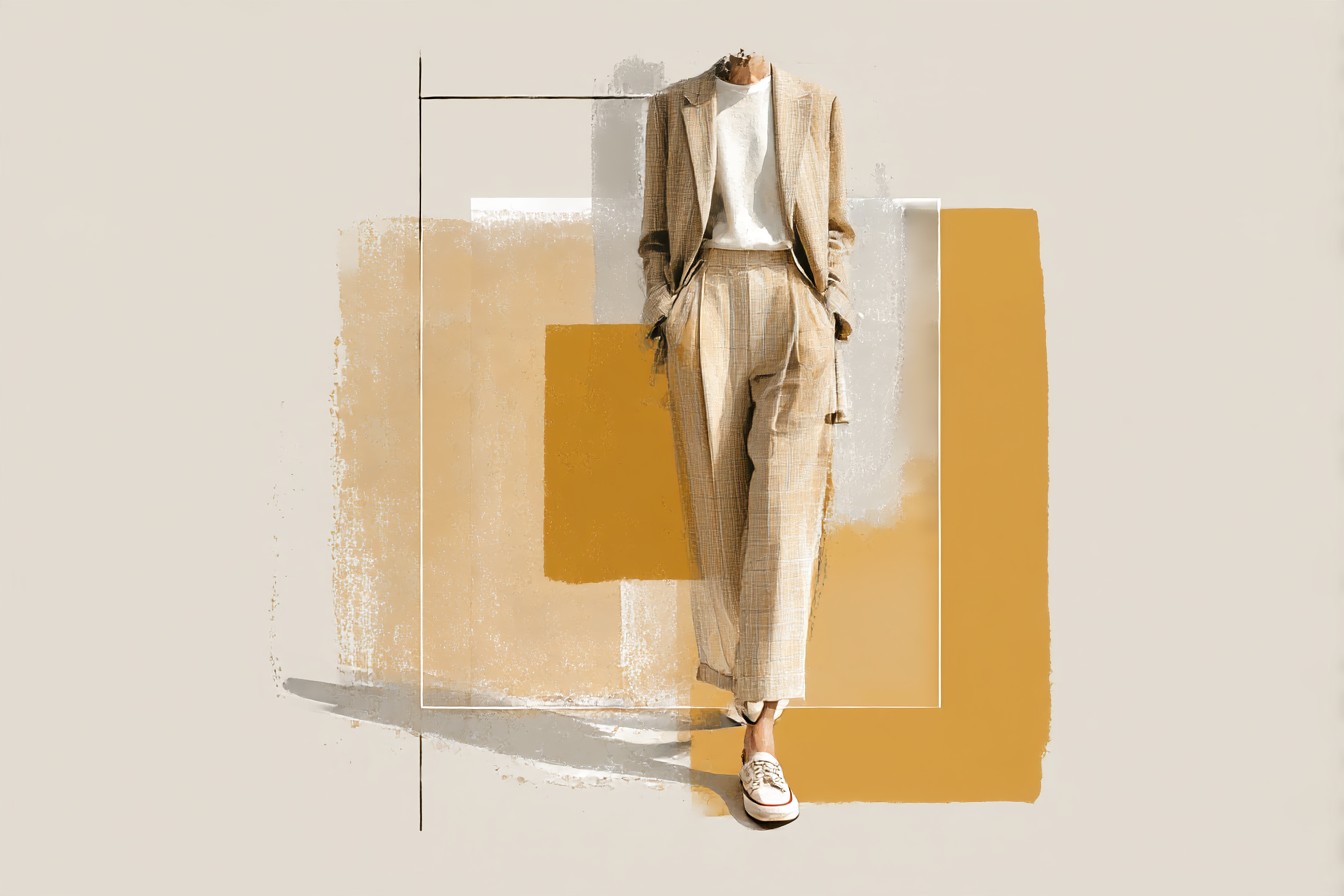
Take off whatever label gets you the pants that do.
I have about five pairs of pants now that came from what I once thought was the wrong section of the store for me. That’s four more pairs than I would have had if I hadn’t started shopping without letting that silly label convince me where I was and wasn’t allowed to look. They fit better than just about anything I normally buy, even the stuff that’s supposedly “designed for me,” the material on half of them has held up two times better to spaghetti sauce than my normal work pants, and the only “problem” with buying women’s trousers now is I have to look at two sections of racks instead of just one which…it takes like an extra five minutes of my life. I have that kind of time.
Does it matter if your trousers are womens’. Not at all. Not in any way that matters when you put them on and leave the store. It’s a stupid marketing decision that doesn’t get you better or worse clothes any more than organizing spices alphabetically instead of by cuisine makes you a better cook. Let it go and wear what fits.

Gareth teaches in Leeds and dresses for four proper seasons, including the sideways rain. He writes about practical clothes, weatherproofing that actually works, and coats he’s put through a full Yorkshire winter.