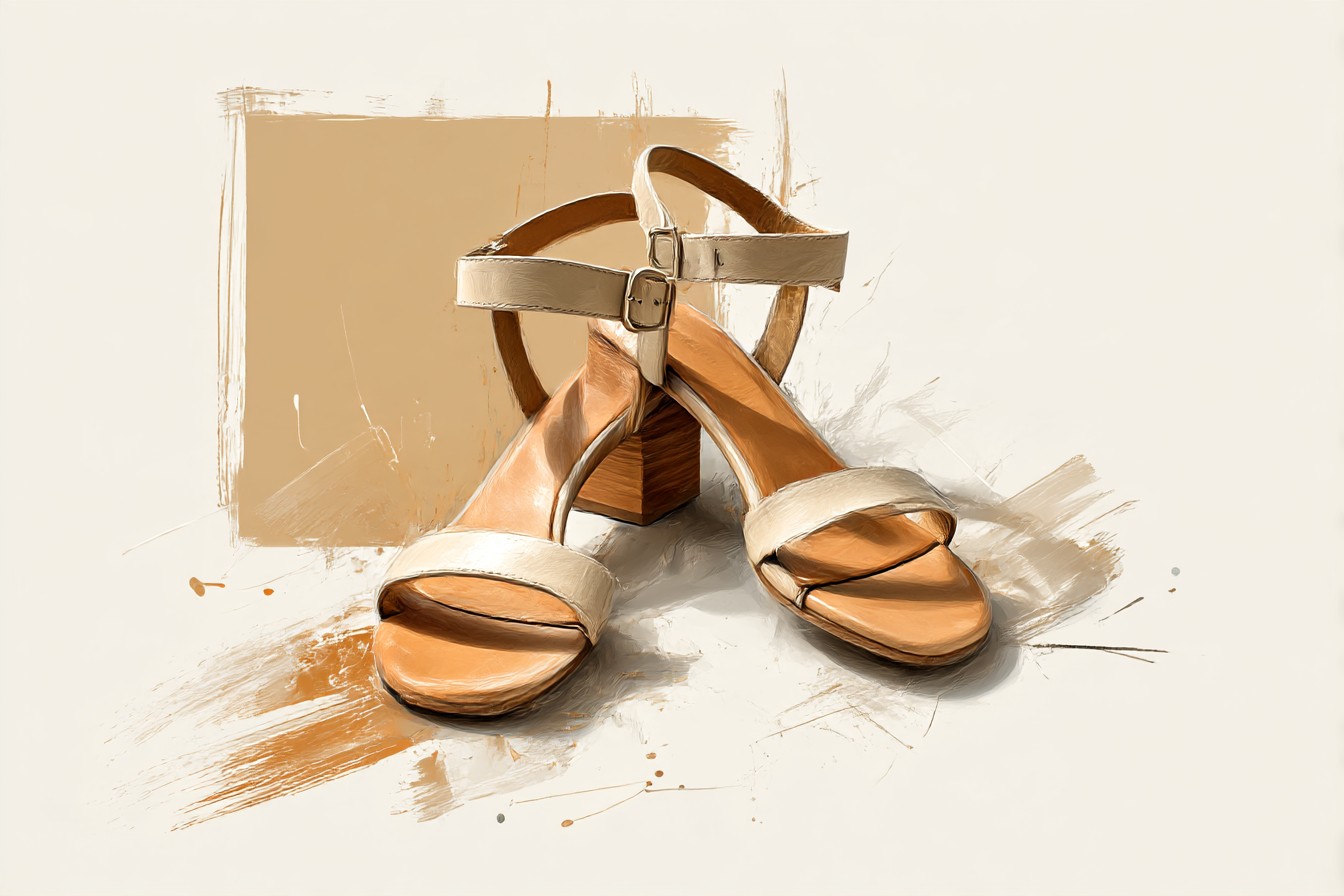
My brother in law texted me a photo of a sandal he was looking at last summer, wanting to know if the strap was “too much strap” for a man his age. This is an entirely fair question! One that I did not know I had the skills to answer until I found myself in possession of the skills to answer it. But thirty years will do that to a person, man or woman, eventually, if you work in a men’s department long enough. I looked at the photo for roughly four seconds before informing him the sandal had an entirely reasonable amount of strap. What I did not inform him of at the time, because it did not strike me until much later, was that the sandal he wanted to buy was located in the women’s section of the website he pulled it from and had been there since at least the moment he pulled it up on his phone, neither of us having noticed or cared when we realized.
I could end the piece right there because that is the sum total of what I have to say on the topic, but I’ve been granted a thousand words so we’re going to climb that mountain sideways.
The label on the box tells you less than you think it does
The last your shoe is built around – which is the foot shaped piece of wood everything is constructed around, in case you were wondering – determines whether a shoe gets labelled “women’s” or “men’s” at a rate far outstripping any other factor.
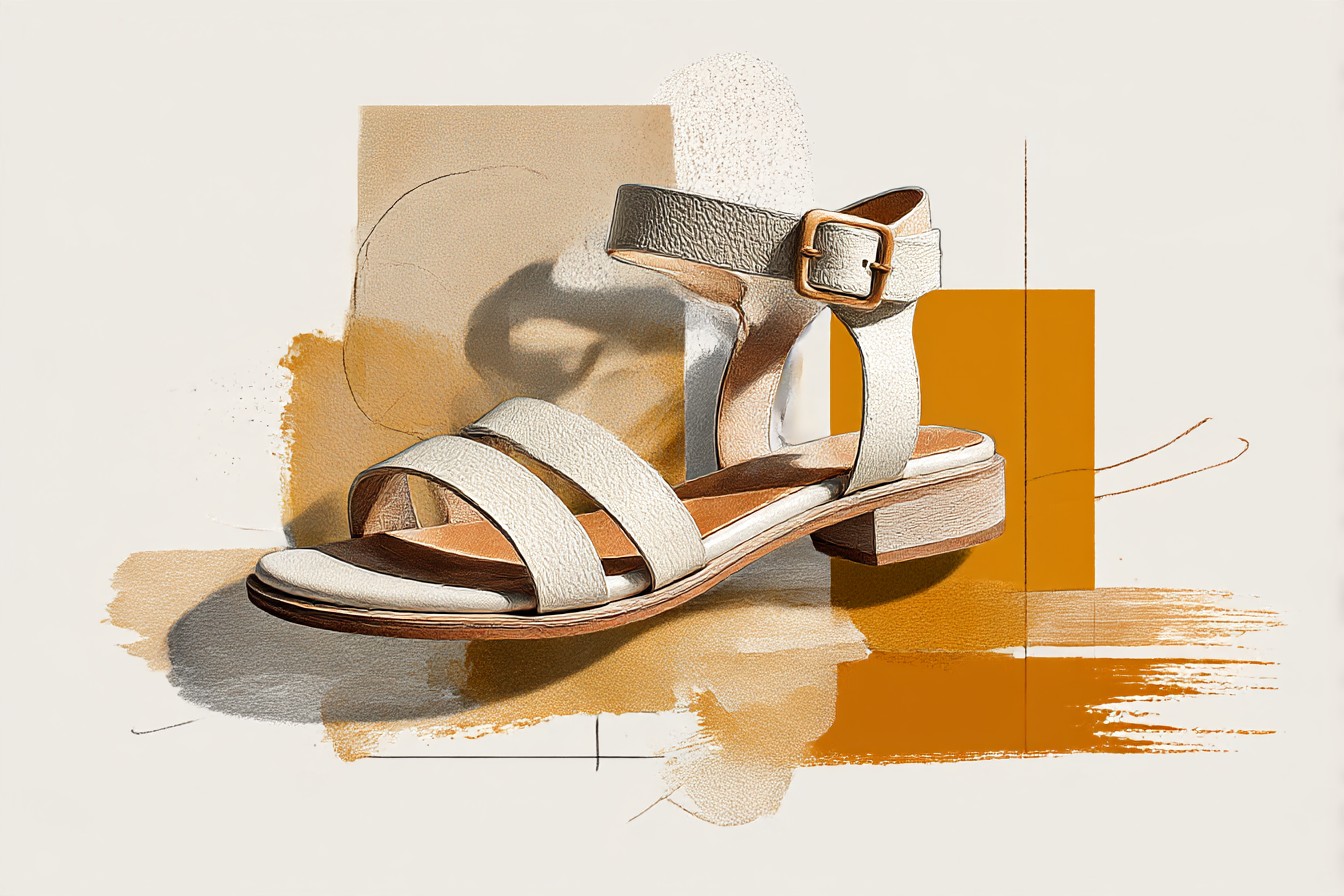
Those lasts are different mainly in width, and in some design details around the heel and upper ankle, but not in any structural way that actually matters to the genders they ostensibly serve. Women’s and men’s feet are not dramatically different in shape or structure, just shoelabels. For sandals, where a significant percentage of the “shoe” is strap and buckle and air anyway, the last a sandal is built on matters even less than it does to boots or sneakers, because there’s less actual shoe for it to dictate.
All that means, for your garden variety sandals buying consumer, is that most of what slides under that “women’s sandals” label is far more unisex than that label wants you to believe. When you’re looking at a sandal and getting that instinct that “that’s not for me,” ninety nine percent of the time you’re reacting to color, strap width, and hardware choice, none of which care what last your sandal was built on. I have a jacket I bought new in 2002 that taught me the same lesson years later by embarrassing me on a nightly basis. It’s a tan old army surplus coat I bought because the cut looked cool and discovered much later was in the men’s section because I didn’t realize coats came in gendered sections at the time. It’s since outlasted three cowboy jackets I bought expressly because they said what I wanted to see on the label. The label was wrong every time.
The last matters less than you think. So when a guy asks me if he can wear a women’s sandal, the truth is that he likely already is and doesn’t realize it, and if there’s something about it that will look “wrong” when he tries it on, it won’t be because of the mismatched gender label. It will be because that sandal has a two inch wide strap topped with things sprinkled across it so brightly they make fluorescent tubes look morose and is simply not a good color on him, filed under “men’s,” “women’s,” or “necklaces” alike. That’s not a gender issue, that’s a terrible fashion choice, and it helps to keep the two straight.
Where it actually starts to matter, and where it genuinely doesn’t
This isn’t to say there aren’t actual implications to where you grab your sandals from before you buy them. Men’s shoes and women’s shoes are often sized differently, with women’s shoe sizes generally running different numbers than men’s do. Women’s shoe lasts also sometimes have narrower widths built into them as a default, so if you have a particularly wide foot as many men do you might find some women’s sandals fit awkwardly or not at all, though it’s worth noting not the other way around necessarily. Those are legitimate concerns because they’re about fit and comfort. They’re also not concerns that apply uniquely to sandals from “the other department” any more than they do when you’re buying boots.
If you care about how a shoe fits, in other words, it matters where you buy it from. Everything else? It does not matter anywhere near as much as you think it does, and that’s 99% of what your question is reaching at. At a barbecue no one’s examining your feet to figure out where you got your sandals. When my brother looked at sandals me and my wife bought separately but wound up wearing to his house all summer for maximum Spencer Hardwell visibility he said maybe six words to me about either pair because he has a look that could strip paint and doesn’t really talk about how things fit most of the time.
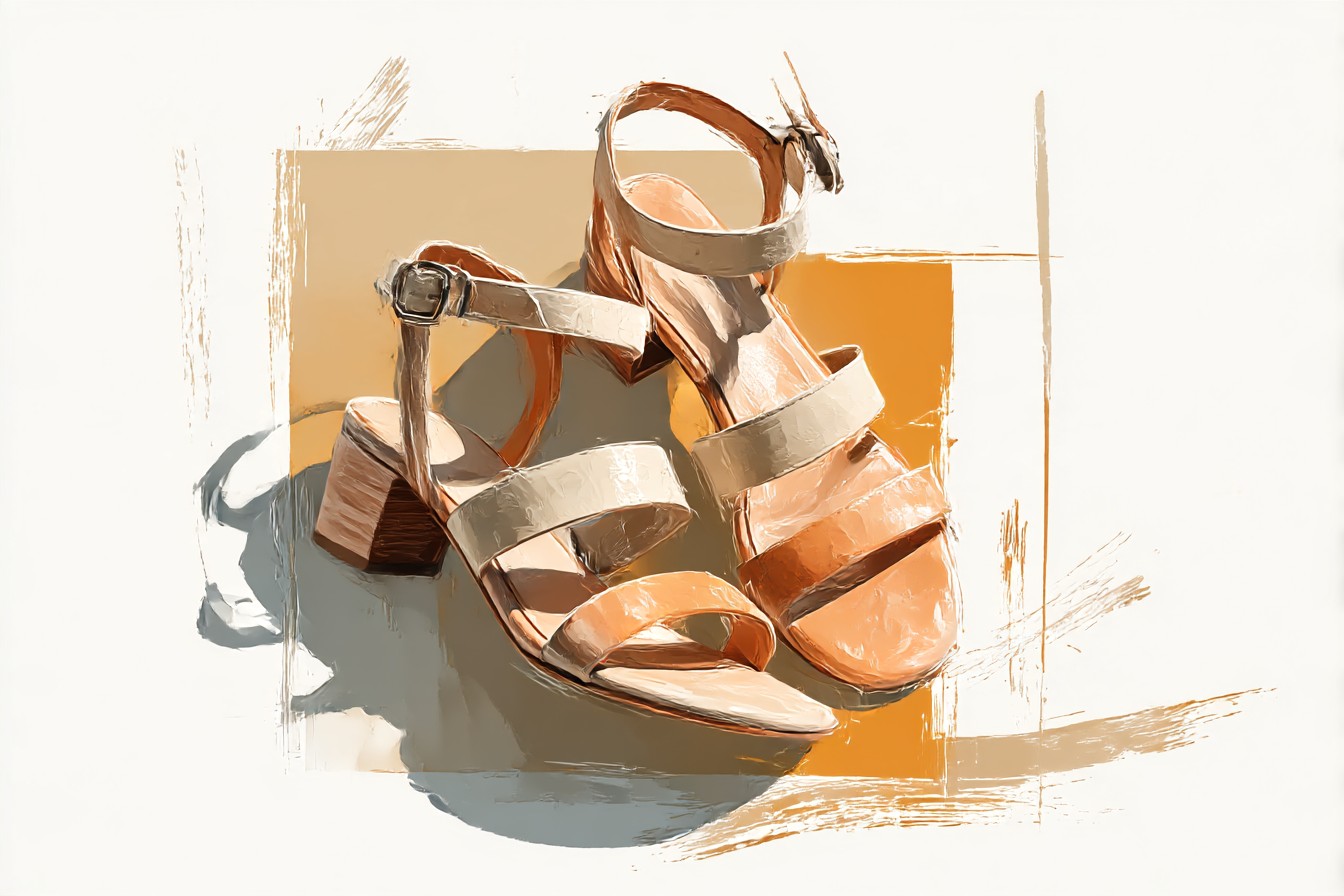
But he wore my sandals all summer and never told me they “read feminine” or whatever had gone through your mind before googling exactly this question, which I mention only because I grabbed mine without looking where they sat on Amazon and didn’t realize until far too late that they were in the women’s department. It genuinely hadn’t occurred to me it was something to even notice.
I’d like to speak to the kid version of me who believed there were colors and cuts of clothes only certain men should wear for a good chunk of the eighties and inform him how much time he wasted on that nonsense because he filtered half of a department store out of his life based on rules he internalized from other people without ever bothering to question them for himself. Plenty of dudes who could have been wearing cool goddamn sandals were why they wanted to because gender signs in shoe stores are carved into the stone of reality rather than mere suggestions. It didn’t occur to him, or all the other shopping kids out there like him, any later than it should have because his parents and older brother weren’t nearly as restrictive about it as he felt comfortable being with himself.
Wear sandals because they’re comfortable, are made of good materials, and look good on you. The gender they hail from doesn’t matter anywhere near as much as you’ve been led to believe, and I have thirty years of retail experience plus a brother who lived in sandals all summer to back me up on that point.
If you’re the guy wondering if you can wear sandals from the opposite department of what you normally shop in stop worrying so much. Sandals are shoes first and gendered items only in the most abstract sense. Buy a pair that fit your feet. Meet me in the comments.

Reg spent thirty years buying for a menswear shop floor in Sheffield before it closed. He writes about clothes built to last, compares every new buy with something he’s owned for twenty years, and has made most of the expensive mistakes already.