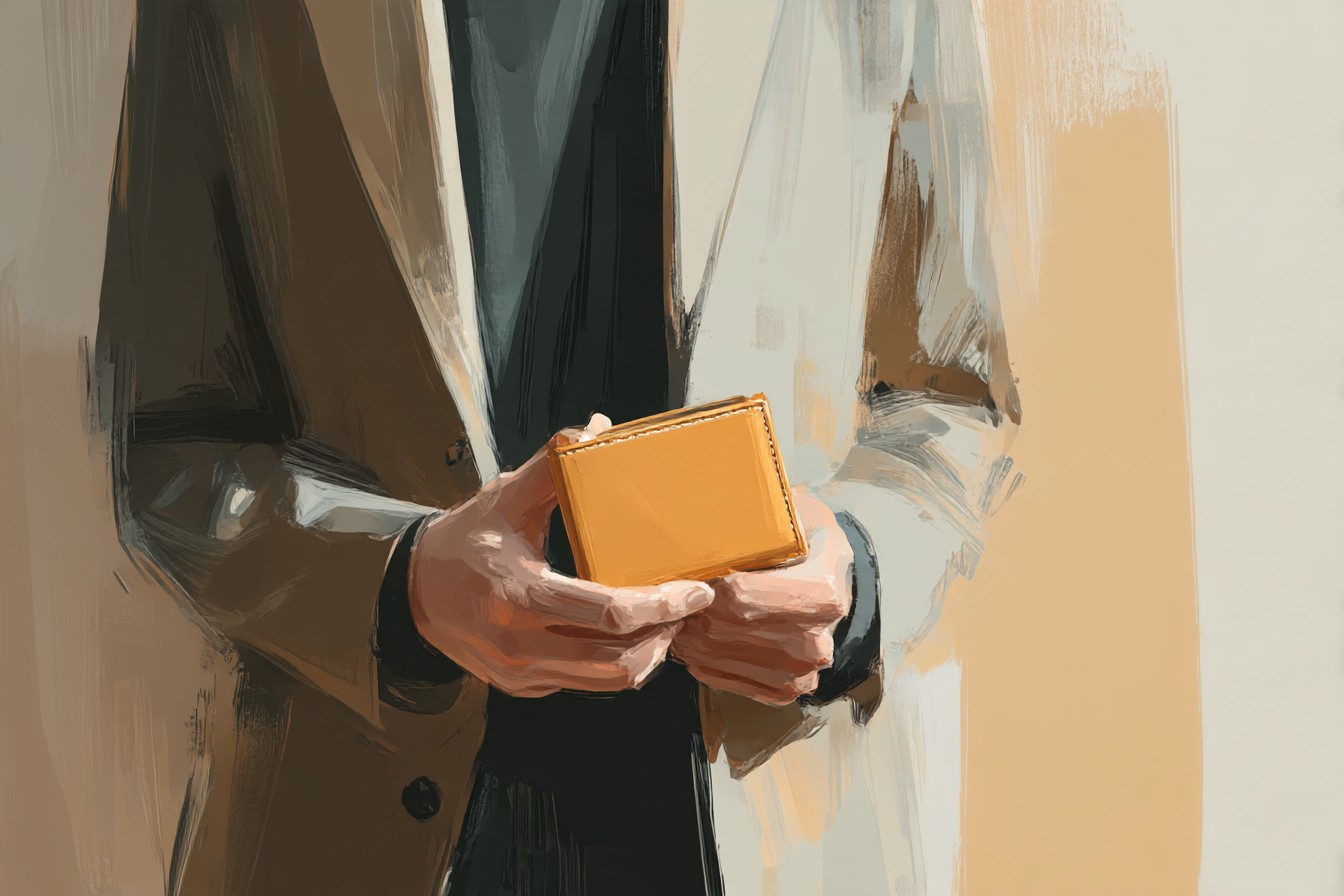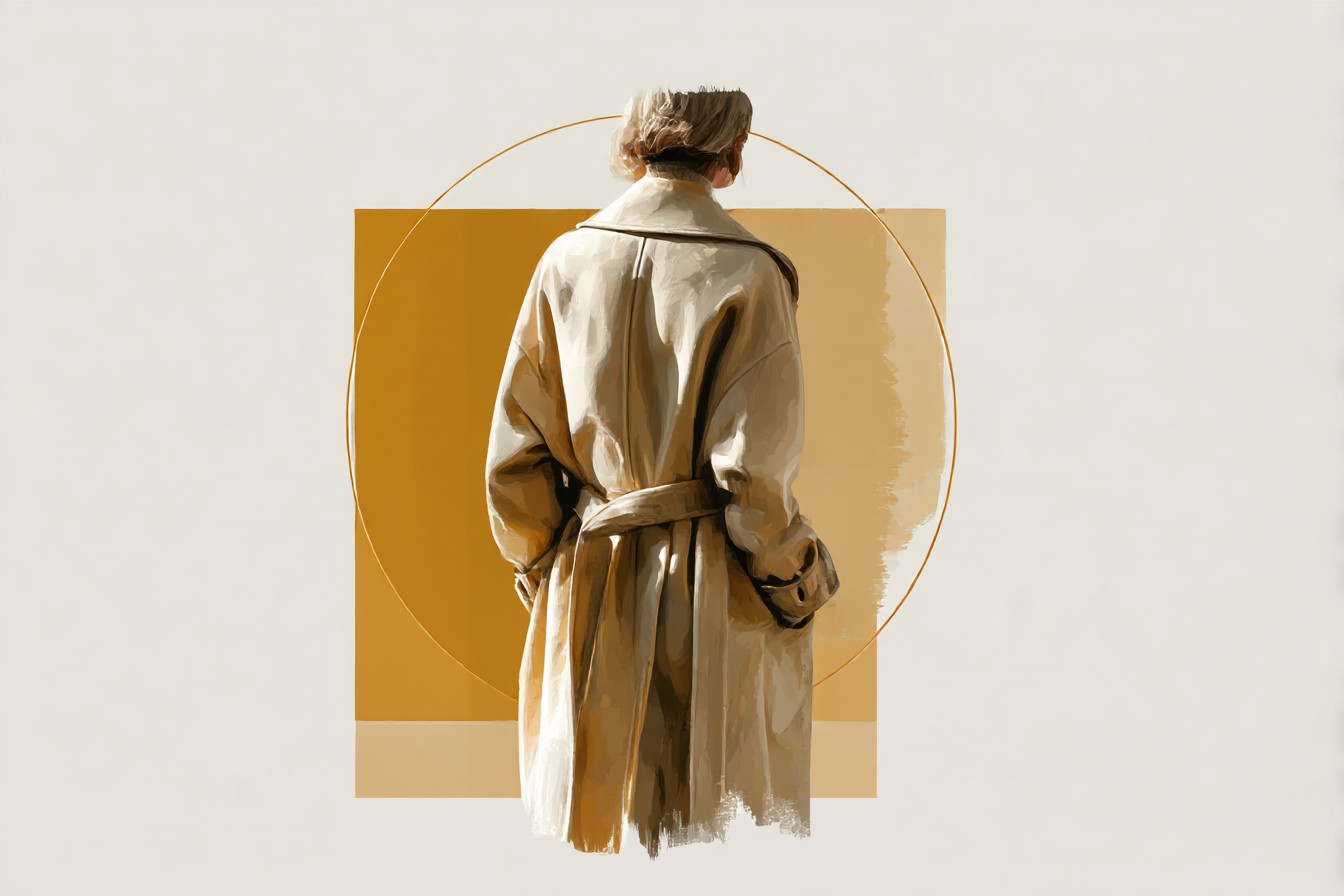
I saw the coat on OfferUp at 11:40 on Tuesday night. Scrolling thoughtlessly as I always do, thumb working autonomously while my brain was three-text conversations deep somewhere else. Wool. Dark green. Big lapels. Built like it was twice the price it listed at four times the price it listed at.
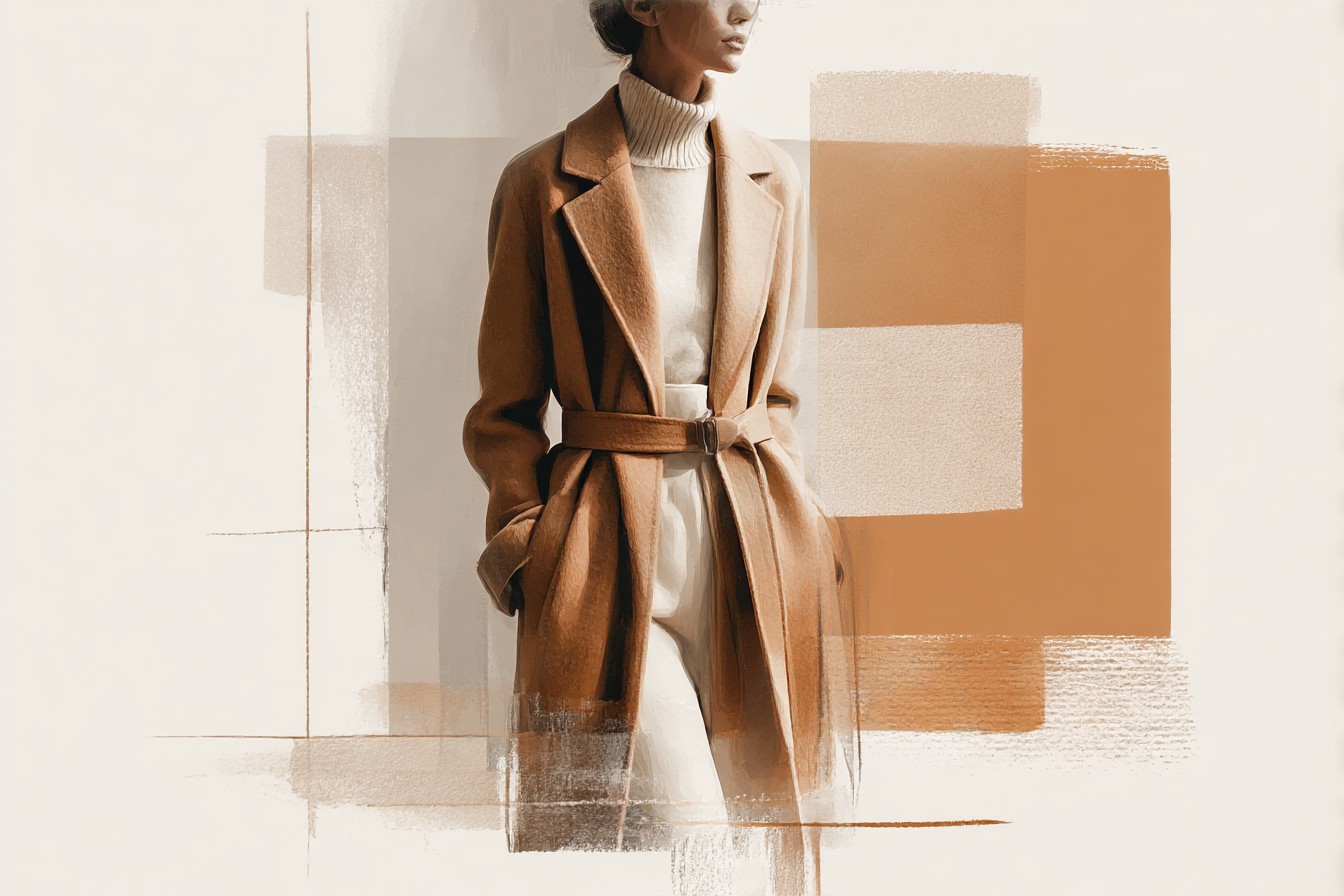
I opened and closed the description twice before I bothered reading the first word of the title. Women’s. Size large. Shoulder measurements nearly identical to a men’s medium jacket I already own and love. I paused for maybe a full minute considering if that even mattered before deciding that, truly, it did not—but my brain and I had already been through that debate when I hit buy.
The crux of the whole debate is there, isn’t it. It’s not about if the coat will fit. Not about if it’ll look stupid on you. Just if the stupid little label sewn into the inside tag gets any consideration for how you feel wearing it. Been buying and selling enough thrift to this point that I’ve chased enough listings that I’ve refreshed enough at two A.M. to know I stop caring what the gendered tag says a piece is supposed to be. Clothes that are going to fit me exist outside of men’s and women’s sections on an app just like they exist outside of those sections at thrift stores. The tag tells you where it got filed. That’s it. That’s the extent of what that word is there to do.
The tag is designed to file clothing away, not police how you wear it
Fun fact no one will mention to you until you’ve probably sold a few shirts yourself: Jackets, particularly outerwear, but really anything made with wool or any sort of tailored fit, are cut based on patterns that don’t materially differ between men’s and women’s clothing until you get far enough down the document that you’re talking about fit, not gender. Placement of shoulder seams. Amount sleeve tapers. Where the waist gets slimmed, if it does at all. Men’s and women’s coats that share the same general shape will sometimes have measurements so close you’d need to take them both into your fitting room to tell the difference and even then may find they fit you identically.
I checked the construction on that green coat before I even bothered looking if it’d fit in the shoulders—a spoon-to-mouth telling indicator of where my priorities lied—and like I said I stand by that as well. Vet whatever you’re looking at first. Buy real, don’t buy rip-offs. That isn’t optional whether you’re looking at a sneaker or jacket. But once I knew that what I was getting was actually what it said it was, that yes, it was actually wool, and actually put together with that kind of construction, and wasn’t just a thinner material that happened to look good in bright, eBay-esque photography, that “women’s” tag stopped being information. Noise. Something worse than your irrelevant opinion on social media speaking over your actual wants on what fits you well.
The only thing that matters, in my experience, isn’t what that stupid tag says, it’s the cut philosophy that every single coat was built with and what you, as an individual looking for clothes that fit, can deal with wearing. Two things the community at large tends to conflate more than anything. Women’s coats that are fitted, taunt waisted are going to hit you differently on a shoulder-to hip ratio that doesn’t match the body they were drafted on, you as a man or woman both, the tag doesn’t matter. But something that’s more boxy, straight cut, the type you’ll find equally marketed as women’s and men’s depending on the year and brand built it doesn’t care about what you pick it out of when it’s hanging in the store. I own one from what was unquestionably the women’s line of an outerwear brand, double breasted, dropped shoulder that hangs on me exactly how I like a coat to hang, and have had not a single person question it once. Zero. Silence. I felt half poised to receive a comment complimenting me or calling me out the first time I wore it out and felt….nothing.
Pursuing that coat taught me something about myself I didn’t know
I bought the coat. If you couldn’t guess. No one else sniped it, which is almost unheard of for me. I typically lose the fights for the good ones by seconds to people better at OffersUp battles than I am, but it sat in my cart tempting me to overanalyze myself over a single word for far too long. But here’s the fun part. It fit me so well that when I got home from work and threw it on for the first time I actually laughed at how well it fit in my living room alone.
The reason I wanted that coat was because it was well made and it was cheap and I had the cash that week. The reason I wanted every single thing I’ve ever ended up chasing down on these apps. Being labeled women’s wasn’t the barrier. My ego pretending like it was was. That half of a second my brain and I got caught up in that spent time arguing about something that had zero impact on how that coat actually sat when I wore it. Remove that checkpoint in your mind that says “lipstick label?”> “Yeah you idiot you can’t wear it.” and suddenly buying everything becomes pretty simple. Material, fit, construction, price.

Literally the four things I look at every jacket, every pair of sneakers, every single coat I own regardless of men’s, women’s or—to borrow from actual jackets that exist—coat.
I think that’s the answer to my original question. If you want an actual answer rather than me shrugging my shoulders at you. The gender a coat gets tagged at does not matter if it fits you well, looks good on you, and you feel good wearing it. It only matters because it might give you a hint as to why that coat’s shoulders are cut a little weird or why the buttons are on the opposite side than you’re used to, minor practical considerations that are useful to know before you buy something but not useful enough to let overwrite your entire identity over after the point of purchase. Check the fit. Check the material. Check the construction like you would any other item you’re spending money on. Leave the tag hanging where it wants to police you at.

Ryan is a Nottingham resale obsessive who hunts secondhand trainers and streetwear, and can tell you which app, which search term and roughly which hour a good listing drops. He also knows how to check a pair is genuine.