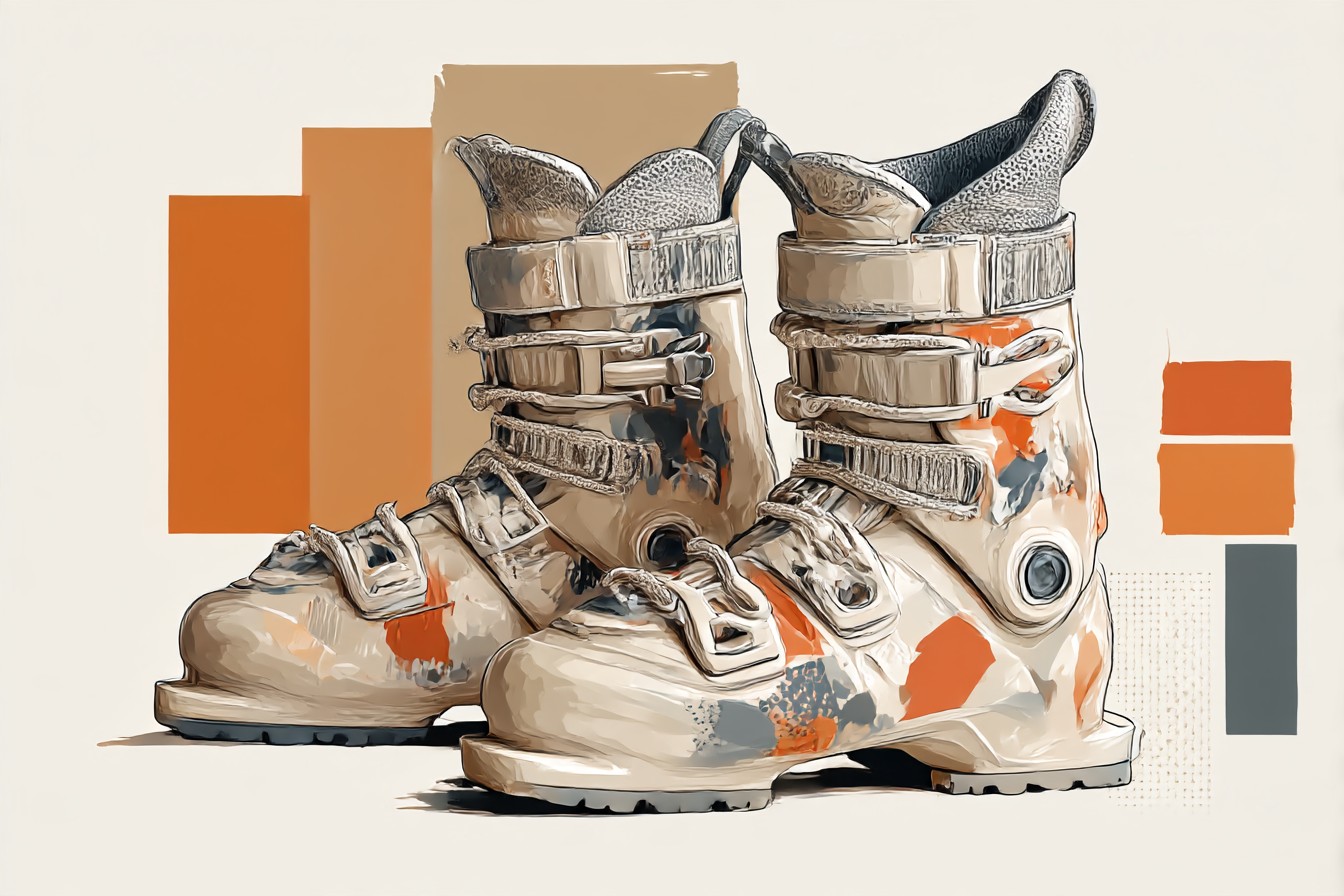
A few winters back, I watched my fiancée Dana argue with a nineteen year old employee at a rental shop in Stowe over boot sizes. She was trying to explain to him that the “women’s” boot he’d brought over kept cutting into her calf and that “women’s” boot his size didn’t have enough calf relief to work for her. He nodded patiently, kept grabbing other women’s models, kept trying to solve the problem where he’d been taught to: in that rack labeled with her gender. It wasn’t until we went juvenile men’s, a men’s boot two sizes down from his height’s predicted BR112C12KHMHJTNYXSXA that he stopped, stunned in place. That boot fit her perfectly. He hadn’t even considered it because his training told him absolutely nothing about women’s boots that didn’t fit in that one rack.
I bring this little story up because whenever possible, I like the labels attached to gear mean something useful: cost per wear, absolute functional difference, things that actually matter.
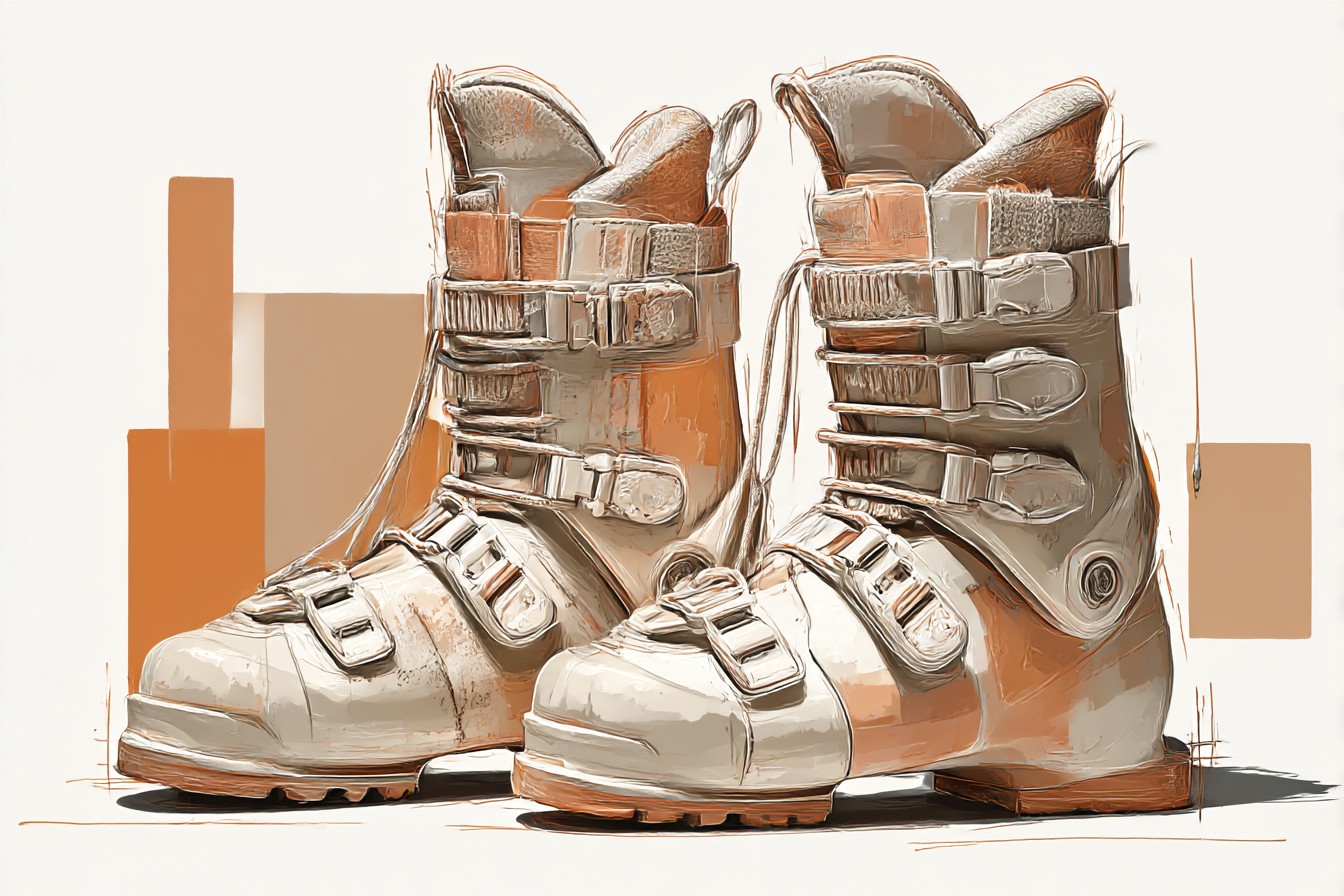
But it isn’t attached to ski boots. At least not the “men’s” and “women’s” divide that half the people hiring that ski boot expert nodded along with because someone decided their flex preference fit into that dichotomy.
The thing boot gender labels are actually doing
This is the part of the story the kid at that shop should have started with, but didn’t. Women’s ski boots generally have their last designed around lower calf muscle placement, narrower heel sizing and a shorter stance height because the majority of women’s legs are built that way when you survey enough of them. That’s not invalid. This isn’t an article telling you women’s boots don’t exist. This is an article about how the average measurements of one group of people got codified into binary product offerings and those oceans of data washed over the complexities of individual bodies. Brands adjust women’s cuffs down because women’s calf muscles sit, on average, lower than men’s. They adjust flex ratings softer because women, on average, can’t (or won’t) spend as much energy pushing through a boot at any given skill level. Then they bend the boot around smaller calf muscles by tapering the liner volume to accommodate a narrower heel to forefoot ratio. All fair. All something brands should be doing if women’s and men’s boots are going to meaningfully differ.
All of it completely ignores outliers. Women with calf muscles and insteps that fall outside those averages. Guys with fat feet that hit those women’s averages. Dana’s foot is wide around the heel and taller through the instep than that “women’s” last was built to accommodate. We found her boot across the gender divide because men’s boots in her size range just happened to run narrower across the forefoot than women’s did.
The bootfitter that finally got us out of that store, who exhaled patiently when I started my “but isn’t there some sort of equivalency chart” rant a second time, put it simply: they gender label is about where your foot likely starts in that brand’s size ranges, not where it will actually end up. Some women’s feet will fail to fit a women’s boot because those last makers missed their calf height. Plenty of men will be just as suited to a women’s boot because their feet match up with where the women’s last deviated from the men’s, be it narrower heels or lower volume feet overall. And nobody at that shop was going to point those guys in the right direction because the big sign on the rack blood screams BOYS DON’T FIT IN GIRL BOOTS around here.
Yeah, can women wear men’s boots. Of course they goddamn well can. Just like men can buy from women’s collections if the fit is right. Boots don’t care what you spray painted on the shell when they try them on. They care about the actual shape of the body that’s sliding into them.
The bit where I nerdy up real quick then ignore my own data
I should have known better. Every lens I look at gear through screamed at me that this should be obvious. Flex matched to skill and body weight. Last width to feet width. Cuff height to calf muscle placement. Take the genders off the boots and I can program my kids to fit people into gear perfectly. Hell, I started building Dana a spreadsheet on the drive up that weighted flex, volume, cost against her ability level and preferences. Brand X has this much to gain from being softer, sure, but Brand Y’s extra calf relief checks more of her boxes right now. By my estimation, she should have been in another women’s ski boot all along because I assured myself that the calf relief would matter more than anything else over the course of a season.
Thatflex ratingWomen’s boots just… didn’t. When we finally walked out of there with a boot that fit, it was the men’s model Dana had been too embarrassed to try because “men’s boots are for men.” It was wider across the forefoot and deeper through the calf than any of the women’s boots had been, and it felt incredible on the first run out. Better than any of the boots I half-assively claimed did her “fit profile” had ever felt over three seasons.
I think about that because it’s the same realization I’ve had every time I’ve bought clothes that don’t yet exist in womensmens cuts and simultaneously spent weeks mocking friends for buying “gender neutral” hiking gear. The labels are a heuristic. They’re meant to sort you into the right starting pool, not shut the conversation down. If you’re a woman with a heel and calf shape that matches that companies “women’s” last, absolutely try that boot first. No argument there.
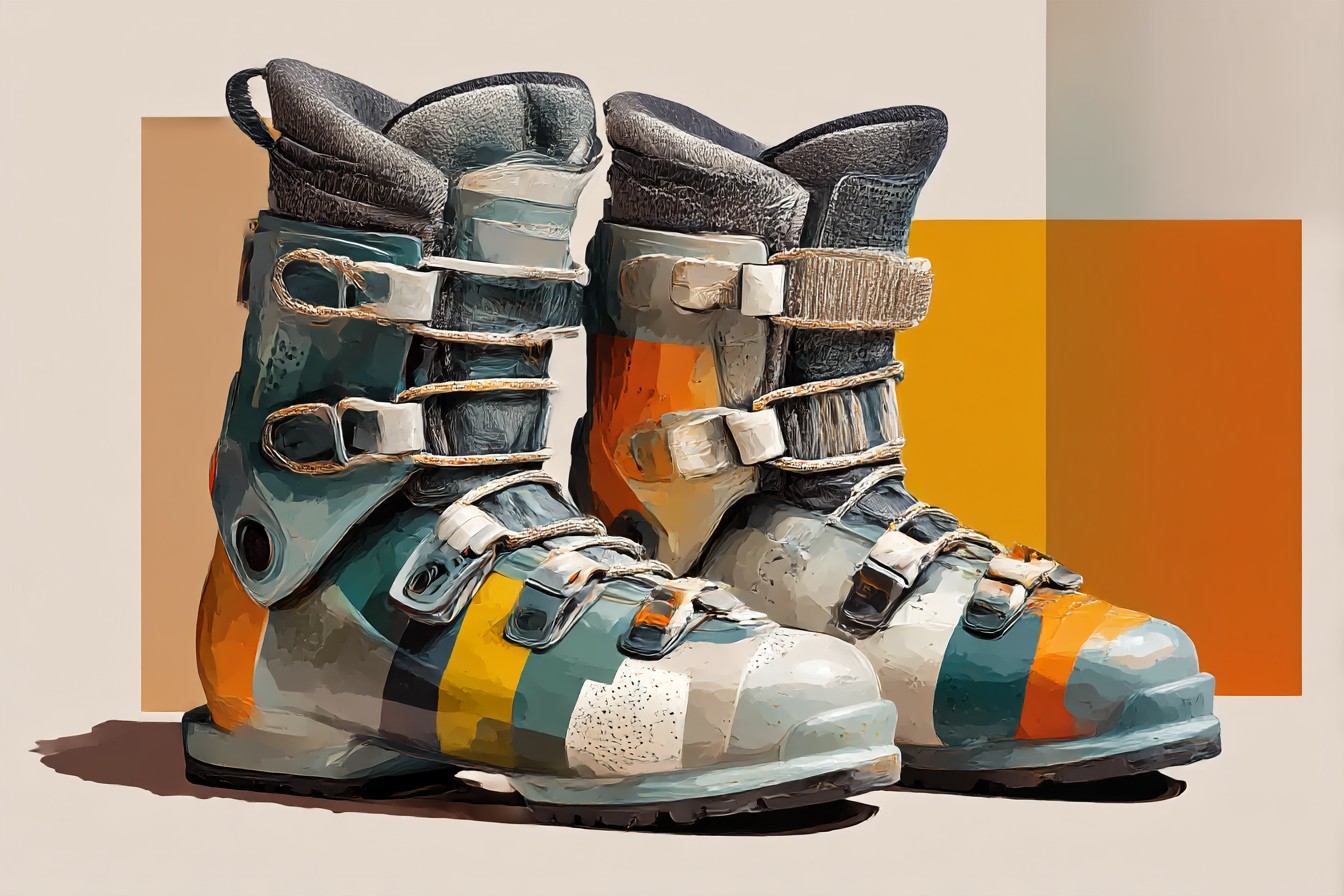
But if you’re anything like my wife, where her foot simply doesn’t match that mold, refusing to walk down that aisle isn’t youre saying something. It’s taking the labels parent companies gave you and using them to actually fit your damn foot. Which, last I checked, was the whole point of buying a boot.
What I would tell anyone stood where my fiancé was that day is ignore the signs until you’ve spoken to someone who knows boots. Someone who’ll ask you about your calf shape, your instep, your heel width before he asks where you tried to fit already. Try boots from both genders. Learn where your foot actually sits in that shell, not what marketing team decided you should try.
The companies splitting boots along gender lines are just streamlining the questions they ask thousands of bodies into something more manageable. The second you step in that boot should be about your foot, and how it interacts with the foam and plastic around it. Not some binary decision someone else made for you nine months ago.

Ade works in finance in the City and treats his wardrobe like a portfolio, which he admits is a slightly mad way to think about a blazer. He writes about office clothes that survive twelve hour days, back to back meetings and the odd video call.