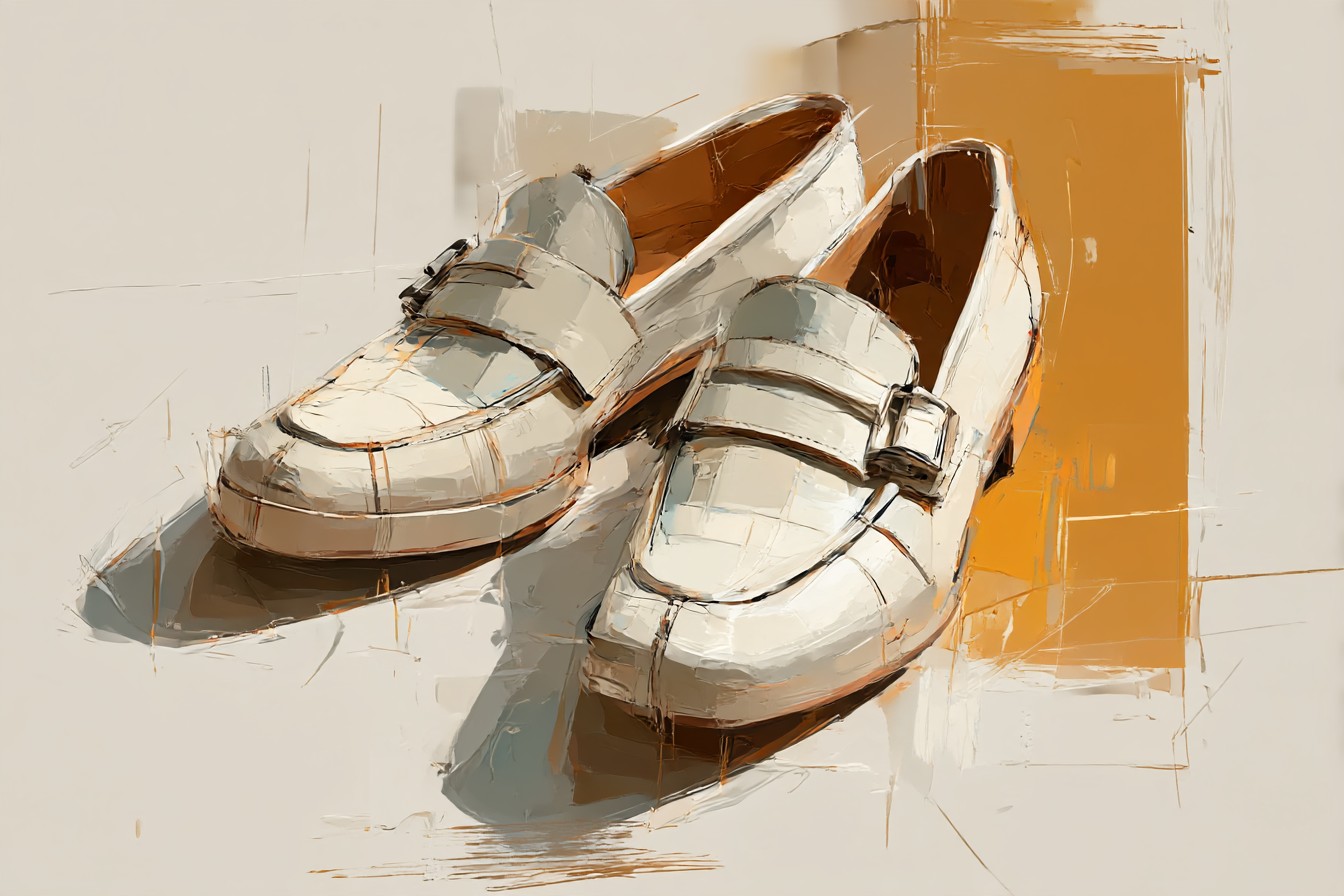
I bought a pair of penny loafers in one of those shoe stores in Uptown a few months ago. Tried them on. Walked across the little carpet strip they all have down the middle. Didn’t realize until I got to the cashier that they were from the women’s wall. Same heel height as the men’s across two aisels, same leather, same stitching, tag just said something else. Spent a moment doing mental gymnastics about what that might mean before realizing rather embarrassingly that it didn’t.
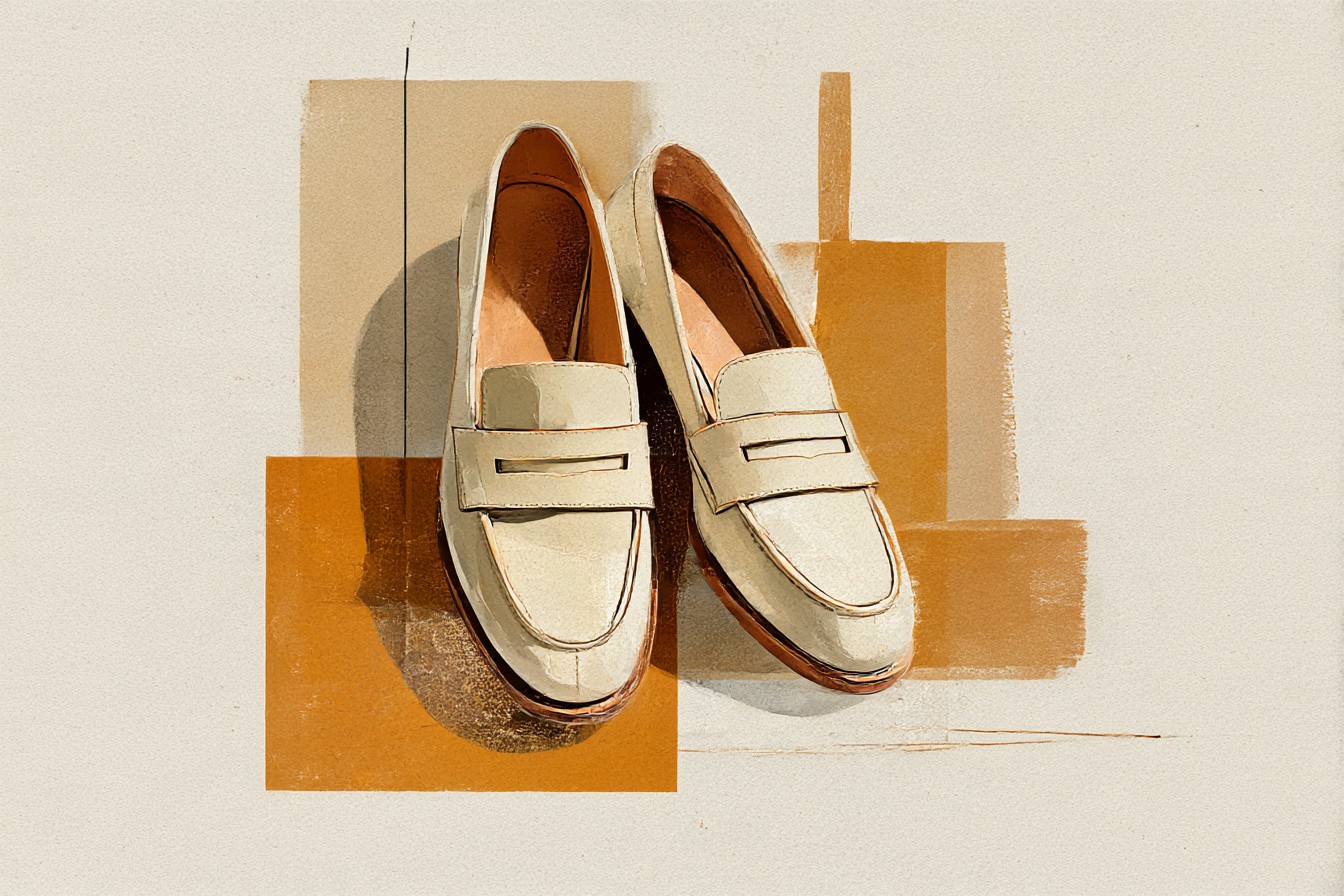
Bought them. Have since worn them to school enough times that I lost count and not once have I been questioned by another eighth grader about the entire thing. Trust me when I say eighth graders will let you know if something looks weird on you.
That’s the short of it. But I’m a teacher so I’m gonna take an obscene amount of word space to lay out why.
The label means almost nothing about the shoe itself
The hard part nobody wants to think about for more than a second is that “mens” and “ womens” printed on a shoe box is at its most foundational level just a sizing convention and a marketing choice, not an indication of anything physically different about the item itself. A penny loafer is still a penny loafer whether it’s from the “mens” wall or not. Last shape varies sometimes between genders of the same brand, womens will typically fit narrower through the heel and slightly higher in the instep on average but again that’s an averaged curve on a spreadsheet, not a hard fact that applies to how your foot intersects with their system. My heel is oddly narrow for my size because I’ve had a podiatrist briefly mention it to me years ago and I researched the shit out of it after leaving his office. There are some shoes sized for an “average women’s last” that fit my feet better than ones labeled “mens.” Label be damned.
The shoe doesn’t care if it’s in the mens or womens section. The leather doesn’t know what part of the store it came from. The sole doesn’t care. That little piece of leather or tassel on the slit of a penny loafer that actually distinguishes what shoes fall under that name didn’t get designed by someone thinking “would this hypothetically be a women’s shoe if we tried it?” Loafers as a whole came from Norwegian farmhouses slip on shoes and were picked up by Jazz Age college students. At no point did someone look at a loafer and decide “this shall be for men, these for women.” We projected that on later because retail otherwise has no easy way to sort through a warehouse full of shoes, not because the shoes feel like they should exist in segregated aisles.
I understand the knee-jerk of why the label matters when you’re picking out shoes though. You’re in the store or god forbid thumbing through Penguino’s website at 11 pm and there’s a dropdown that forces you to pick between Men or Womens and your brain thinks about gender more than it needs to treat something so utterly vacuum sealed from the concept as that dropdown. It’s not. It wants you to put socks with those shoes so it can make more money. The same instinct used to make me avoid certain hues of pink shirts for literal years after someone took a picture of me wearing the wrong pink shirt at a wedding. It was awful. Everyone agrees I looked like I stole it based on photographs and anecdotes from the day. The shirt didn’t swallow me up because the color was wrong, it did because the fit was wrong and I spent far too long angry at pink.
The things that matter are literally never on the box
Fit is going to be the big one. How the shoe feels when you walk in it. Does it slip? Grip? How much give is in the leather across the top? Is it going to crease and look like death walked your foot after two wears or does it feel like it’s sticking with you? I own four pairs of loafers now. That’s two more than any human needs and both pairs I reach for more often weren’t from the men’s section.
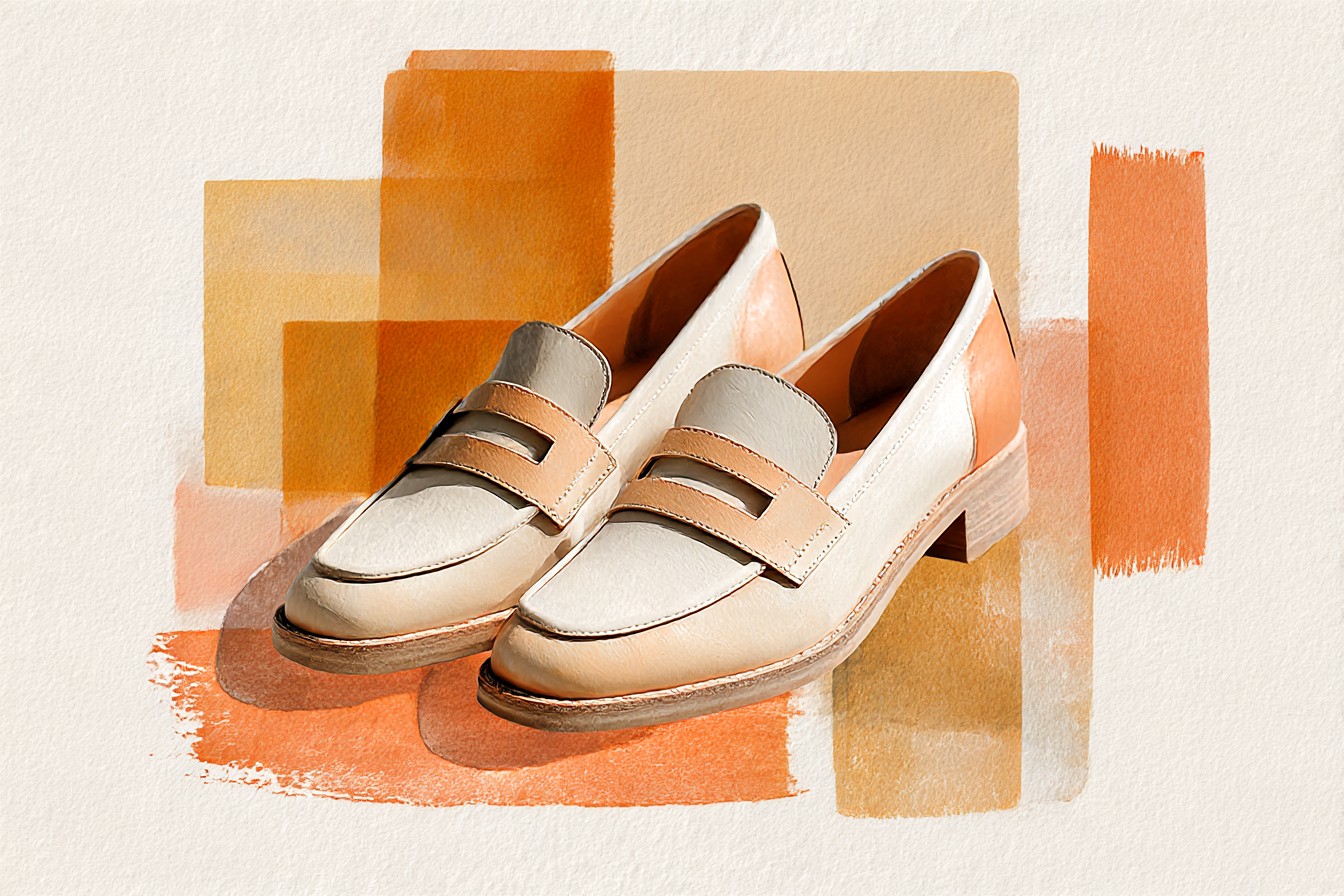
They’re the ones that softened up just right and kept my foot feeling held without me consciously thinking about it, and I don’t remember which wall either pair was on because I tossed the boxes when I came home.
Sole and overall build matter more than category. Name brands thrown on a rubber sole designed to give you blisters will fall apart much faster than your local store’s generic line that actually invests in some stacked heel construction and good molding options, and that’s something to pay attention to when you’re in the store versus getting hung up on what section of the gender binary your shoes were assigned to at birth. Learn if the sole is glued or stitched together before you worry about the label screaming at you from inside the shoebox.
This isn’t me saying the gendering of clothes isn’t something we deal with across the board. Whole stores are built around separating ends of that spectrum and hell, I know dudes who wouldn’t step foot near the “women’s” side of the store for fear someone would catch them there. My intention isn’t to invalidate anyone else’s feelings over where they get their clothes. My paranoia about walking into that wall never fully went away, it just doesn’t control how I look at shoes anymore. Learn that lesson with me instead of expending your brain damage on which side the shoes came from.
A well fitting shoe is a well fitting shoe. Find that and wear it with pride no matter what the box says because if you hide enough shoes in your cabinet you’ll find eventually yours will show up.

Gareth teaches in Leeds and dresses for four proper seasons, including the sideways rain. He writes about practical clothes, weatherproofing that actually works, and coats he’s put through a full Yorkshire winter.