My sister tried my field coat on for size Thanksgiving two years ago. She wore it the rest of the night, and then kept it. Borrowed coat becomes your sister’s coat pretty quickly, but kept? Kept means kept. I found it at Christmas hiding in her closet when it was fully-assimilated, hanging in her own section like it belonged there. I confronted her.

She told me “it’s a coat, Marcus,” using a tone that you can only describe as “the way you would explain gravity to a toddler” and walked away. We didn’t say another word about it. That’s literally all that happened. That is also literally the entirety of this answer that people feel the need to write books about.
I mention it because when people write those books, they frame this like there’s some difference of opinion or schism to unravel here, “can women wear men’s coats?” like there’s some secret coat handbook that we’ve all been keeping from women. I want to be abundantly clear here before we go any further: there is not. There’s no coat king outside the door inspects you and verifies that the gender on your birth certificate matches the jacket you’re wearing. It persists mostly because men’s fashion likes stirring drama out of something no one cared about until they decided we needed columns about it.
Simultaneously Way Less and Way More Important Than Clothing Labels
Here’s how it actually works, when we decide something is a “men’s coat.” Someone said “all right, we’re gonna make this broad shouldered with a tall lapel” at a meeting somewhere. Then someone put it on a mannequin under that little sticker that says “MEN’S COATS.” That’s it. Gendered clothing labels are not microscopic Ferrari engines tuned by Swiss watchmakers. There’s no fibre that doesn’t respond to female bodies, there’s no Y-shaped threading that unravels if you get it near the wrong body type. They exist to help people find what they’re looking for, not prevent them from finding what they aren’t.
The things that matter when you’re discussing fit are proportion, height, body type. An adult woman’s body on average has different proportions than an adult man’s body. shoulders, sleeve length, torso, etc. A “men’s” coat will often have shorter sleeves, a longer body, wider shoulders, because on average, men have longer arms and shorter legs than women, and their shoulders sit differently on their bodies. It’ll swallow someone with broad shoulders and a shorter height quickly, and that’s the actual, tangible thing to be concerned about here.
The coat doesn’t care if you’re Mike or Meg, it just wants to keep you dry. That’s it, that’s the novel life lesson we learned just from watching someone try a coat on. My sister wore that coat to a gallery opening with heels, and even I, a man who is almost aggressively easy to please on this topic, was convinced she looked better in it than I ever did. Me? Three days prior I wore that same coat to shovel snow out of my driveway. Same coat kept by my sister doing the two least-furniture jobs possible based on occasion, and it worked equally well because coats aren’t paranoid about who wears them.
The material is waterproof whether you’re feminist or not. It will keep you dry in the snow both times. It doesn’t care who made it, who’s wearing it, where you’re wearing it to, how you’re wearing it. If you put it on backwards, it’ll still keep you dry, just less effectively. That’s all this is.
Where I think people get into actual trouble, and where they don’t
The only place where this actually becomes an issue, and keep in mind it still does not matter who’s wearing the coat at this point, is at the more extreme ends of the coat size spectrum. Long story short, if you get someone who is five foot four in a coat designed for someone six feet two, it’s gonna hang weird. Male or female, tall guy runs into the same problem as his shorter counterpart. The solution is also the same as it’s always been. Take it to your tailor, let them trim down the sleeves and maybe take in the waist if it’s your slim fit deerstalker kind of coat, instead of a” boxy” silhouette. Maybe 15, 20 bucks at a local place. Less than you spend shipping probably half these purchases these days.
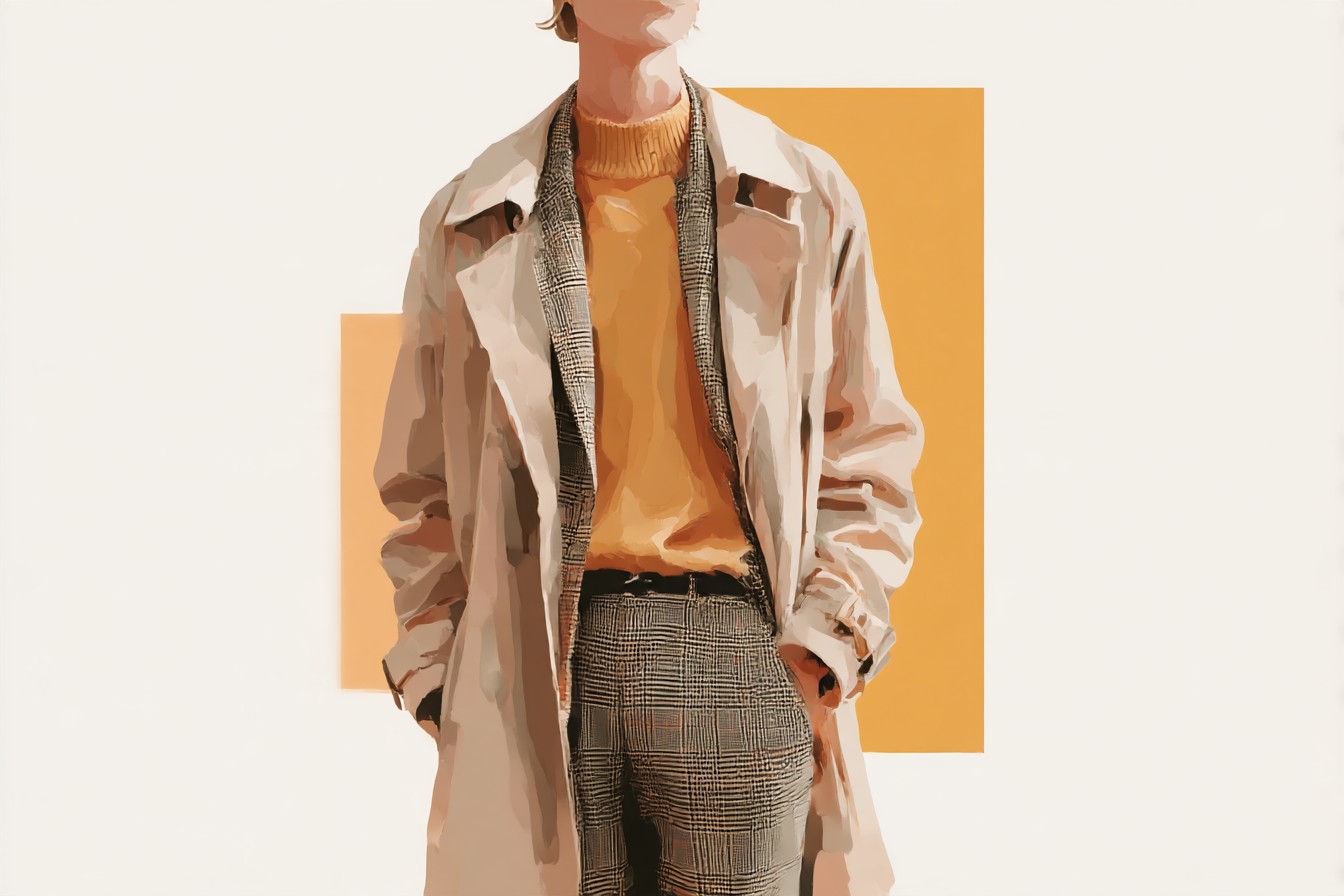
To give you a concrete example, I used to staunchly believe that if a coat wasn’t fitted to your body’s particular measurements it instantly looked like a sloppy sack, zero exceptions. Girl in an oversized coat looks 100% like guy in a coat that’s too big for him to me. I will admit, stubbornly defended that opinion for far longer and far louder than it was good. Then I saw someone wear a coat three sizes too big for them with the sleeves rolled up once and just look sharper than 75% of the men I see dressed “correctly.” It wasn’t tight on them, but it wasn’t hanging off them either.
The rule was never a rule, it was a guideline. And honestly lately I think some of the best clothes I’ve seen men wear are specifically breaking that guideline.
I get mad when people try to convince you like this is new information that requires dense paragraphs and bullet points and a stupid “Final Verdict” section. We all know the verdict. Everyone on earth knew the verdict the first time your aunt wore your grandpa’s coat because it didn’t rain where the women’s coats were stored. No style manual needs to approve that decision. This isn’t controversial. It’s being written as if it is because watching paint dry got more comments than an article like this will.
I understand why people make it seem bigger than it is. I do this job. It’s literally my job to inflame these kinds of discussions so people click on articles. But if I’m being real with you, the same way I was up top?

Don’t worry about what’s hanging on the men’s or women’s rack. Think about how it fits you, think about whether or not that particular coat works with how you’re built. Does it hang weird? Take it to a tailor. Doesn’t fit right off the rack? Take it to a tailor. It’s that simple.
The coat decided what gender it wanted to be two Thanksgivings ago when your sister borrowed it. Maybe it’ll decide differently for you.

Marcus started the menswear section after getting fed up with coverage that called a two hundred and fifty pound hoodie an easy Tuesday buy. Based in London, he writes about pricing, returns policies and what brands actually deliver.