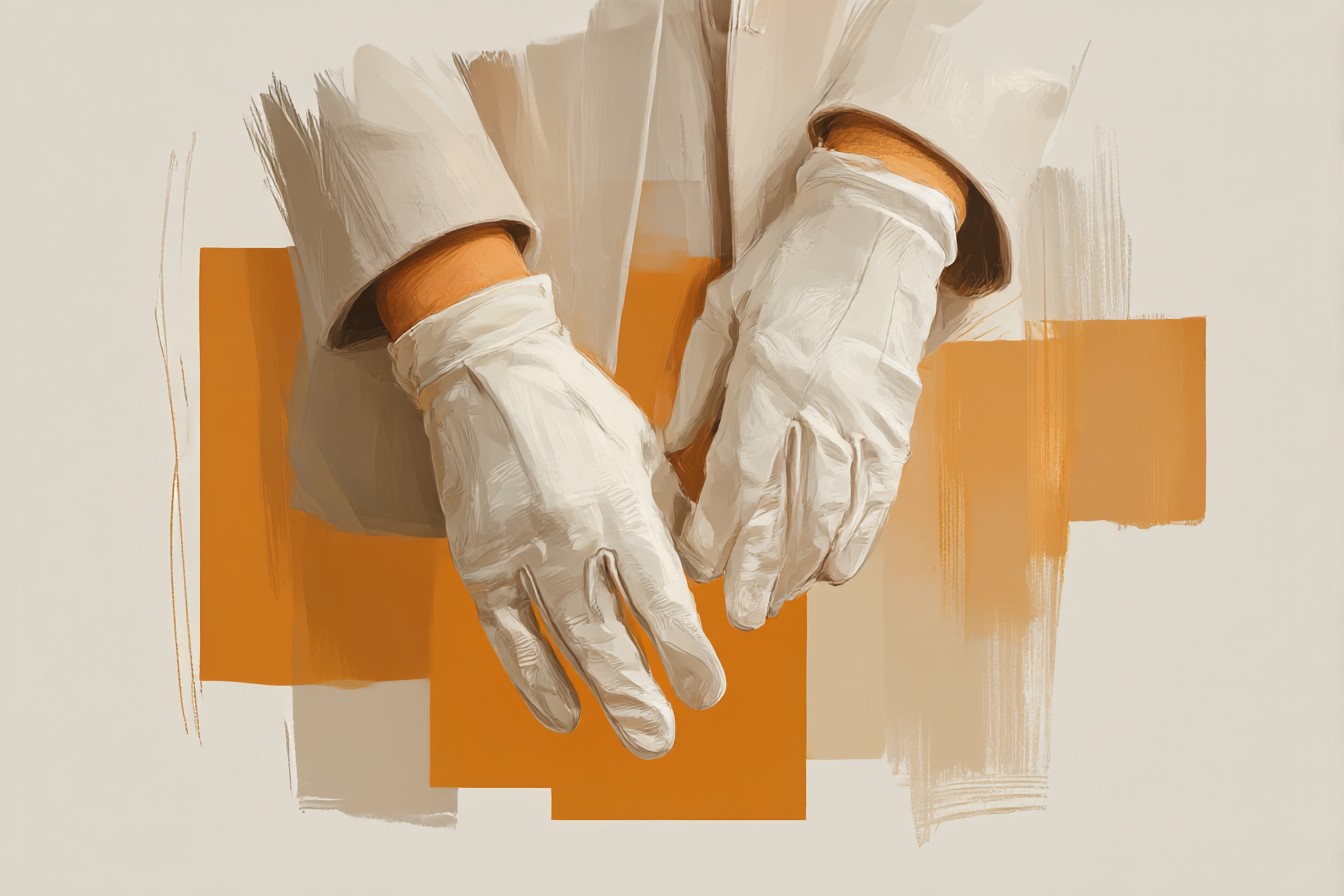
I bought gloves like I bought shoes for two decades: half a size small, reasoning that anything made of leather stretches with wear and you’re better off starting too tight than starting too loose. That’s solid logic when it comes to shoes. It’s crippling bullshit when applied to gloves, and I learned the hard way when I ordered myself a fancy pair of unlined deerskin gloves one Christmas back in 19** because I liked how damn sharp they looked folded up on the store counter. Twice, I wore them twice. They never stretched, the seam across the base of my thumb rubbed every time I made a fist, and by the gloves’ second winter I pretty much refused to wear them because gloves that fight you every time you grab a steering wheel or a coffee cup aren’t gloves, they’re punishment you purchased for yourself. My brother caught me wrestling one off one winter afternoon and didn’t even bother with explanations, just said “why do you own these.” That was from him.
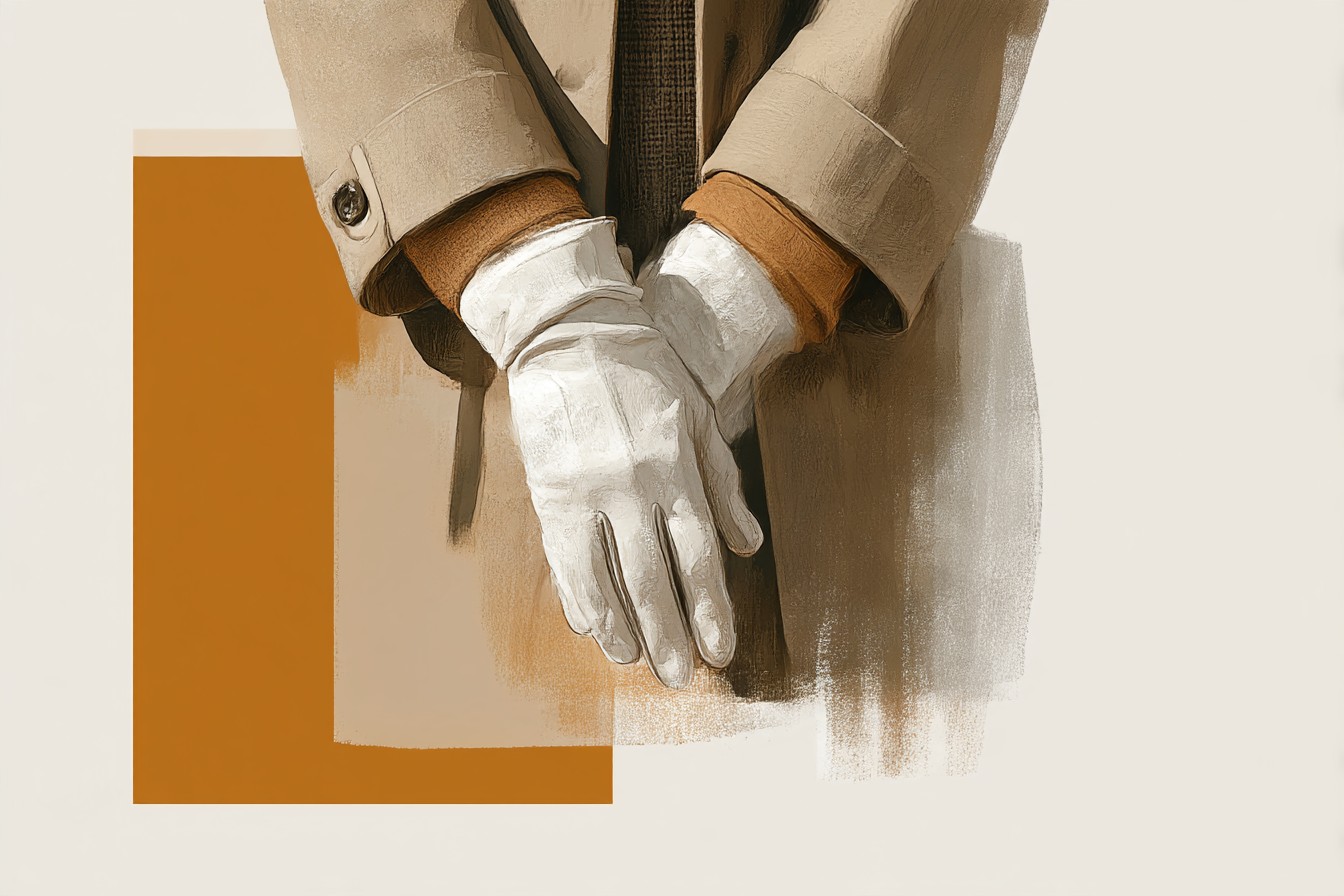
Half an editorial takedown. That was the moment I swore off sockliner logic for gloves forever. Gloves don’t bend and shape like leather shoes do when confronted with a foot and a sock and several hours of steady pressure, they shift only slightly if at all and buying intentionally tight is basically always gambling against the garment.
The measurement everyone quotes is the wrong one
Most guys when asked how to measure for gloves will say to measure from wrist to fingertip and look up your size based on that. That number isn’t useless, but it isn’t the number that actually matters either: two men can have the identical length hand but radically different circumference due to manual labor jobs versus office jobs, and glove length says nothing about whether the glove will actually want to close over your palm or not. What matters is the circumference of your dominant hand at its widest point, typically right across the knuckles where they meet your palm just before your fingers start. Take a tape measure or even a strip of paper and wrap it around your hand right there, thumb excluded, and whatever that measurement in inches lands you at is the real glove size you should be looking for, which gets labelled as S, M, L or whatever downstream.
I’ve worked behind enough glove counters watching dudes pop a display pair on, slip two fingers inside, and announce “yeah I know that’s a large but that looks like a large on me” to know that finger feel is how people end up with gloves as shitty as what I ended up with way back when. Going by knuckle circumference fixes the actual problem, that being width rather than length.
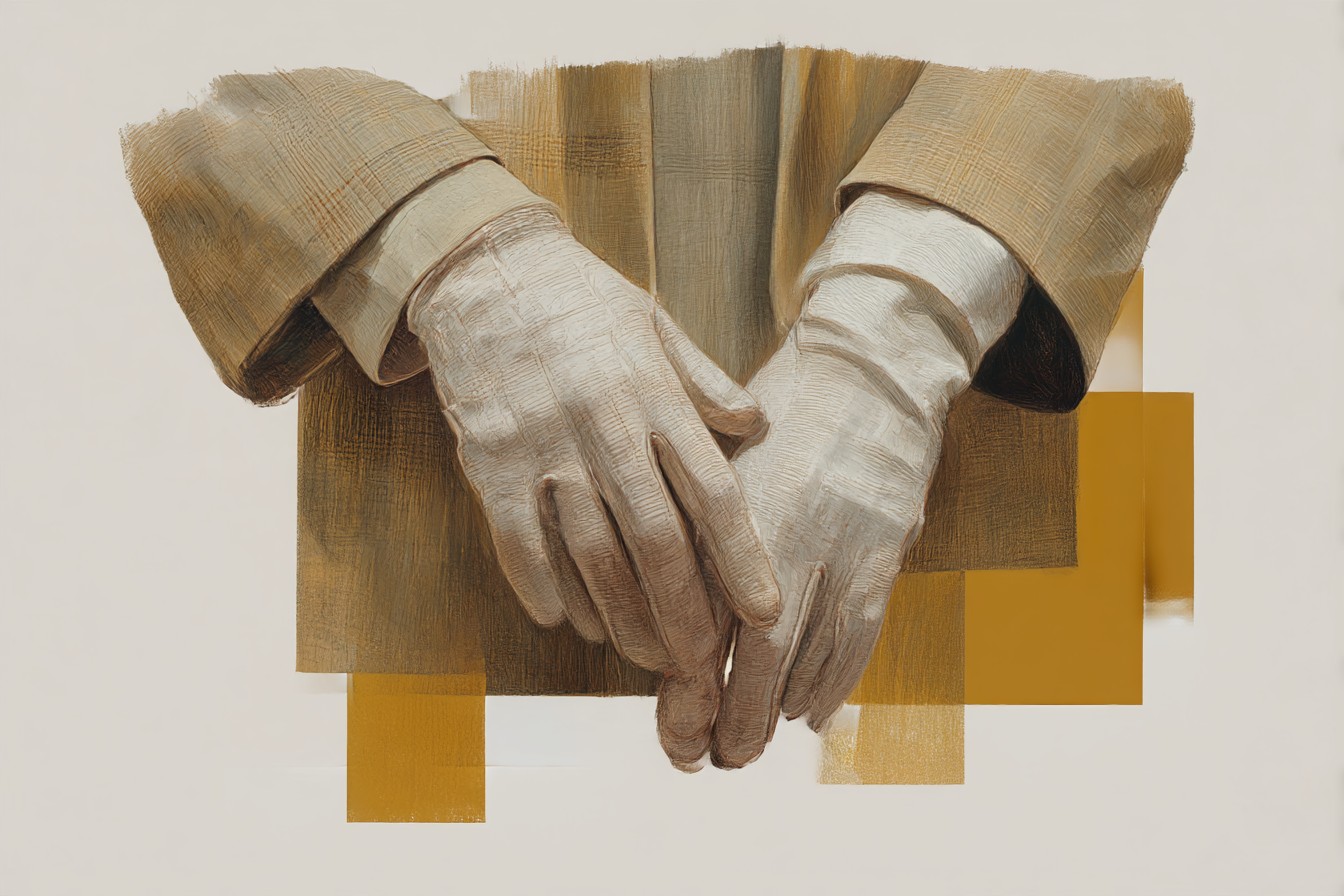
Long fingered, narrow palm dudes abound, I promise, and if you size by length alone you’ll find gloves that are two or more sizes too wide every other measurement just to accommodate for your fingertips and then complain that the glove slides around when your actually holding something. My fingers are long relative to my palm, and so for years I tried sizing up whenever I bought gloves because the fingertip always felt snug in my size in a glove that wasn’t properly stretched out, when really I just needed to accept that a well crafted glove has always got to be slightly loose at the tip of your fingers because no one needs their gloves skin tight at their fingertips, they need them comfortably snug where all the work of gripping happens.
What the Glove Is Made Of Changes What “Right” Even Means
The bit that still catches people off guard now that they know to measure circumference instead of length, is that the right size changes based on what your glove’s made of, and wool gloves and leather gloves do not size the same way. Leather has a tiny bit of stretch to it if the glove is high quality enough to have been well tanned, just enough for it to be real and not perceived, and that looseness comes gradually as the leather stretches ever so slightly with each wear from body heat and flexing, which means a brand new leather glove that fits perfectly on day one has a very good chance of feeling a little loose near season’s end. It’s acceptable, it’s expected, and for leather gloves only does the snug philosophy come back into play; True size or half a size snug is fine for leather glove shopping because you can always stretch them out a bit more by wearing them, as long as they’re not noticeably tight when you try them on.
If you’re buying knit gloves or wool gloves, those are an entirely different beast where I think the sizing labels sewn into the cuffs are almost an elaborate joke, because knit stretches in every direction far more than leather ever will and the sizing label is less an actual indicator of fit than where the brand you’re buying thinks your particular size probably should start. My hands fit a small wool glove from one company that another brand sizes as a medium, and there’s no chart on Earth that fixes that. The only way to account for something like knit variability is to either try gloves on before buying or buy from somewhere with a decent return policy. Add lining into the mix and you’ve got another variable to deal with, because a cashmere lined glove or shearling lined glove reduces the effective interior circumference of the glove by several inches no matter what, so if you’re buying a lined glove and don’t want to recreate your personal 19** mistake, sizing at true circumference or even slightly long is almost always better than sizing down, since the lining has nowhere to stretch and you’ll just end up with a glove that feels like it’s ballooning inside your hand with every movement if you chase that snug feeling with lined gloves.
The truth, 15 years into knowing this for myself, is that glove sizing isn’t one skill you need to learn so much as two, get the measurement right first and then buy with the material in mind. Neglect either half and suddenly you’re right back to having a nice pair of gloves that only look good sitting on the store shelf.

Reg spent thirty years buying for a menswear shop floor in Sheffield before it closed. He writes about clothes built to last, compares every new buy with something he’s owned for twenty years, and has made most of the expensive mistakes already.