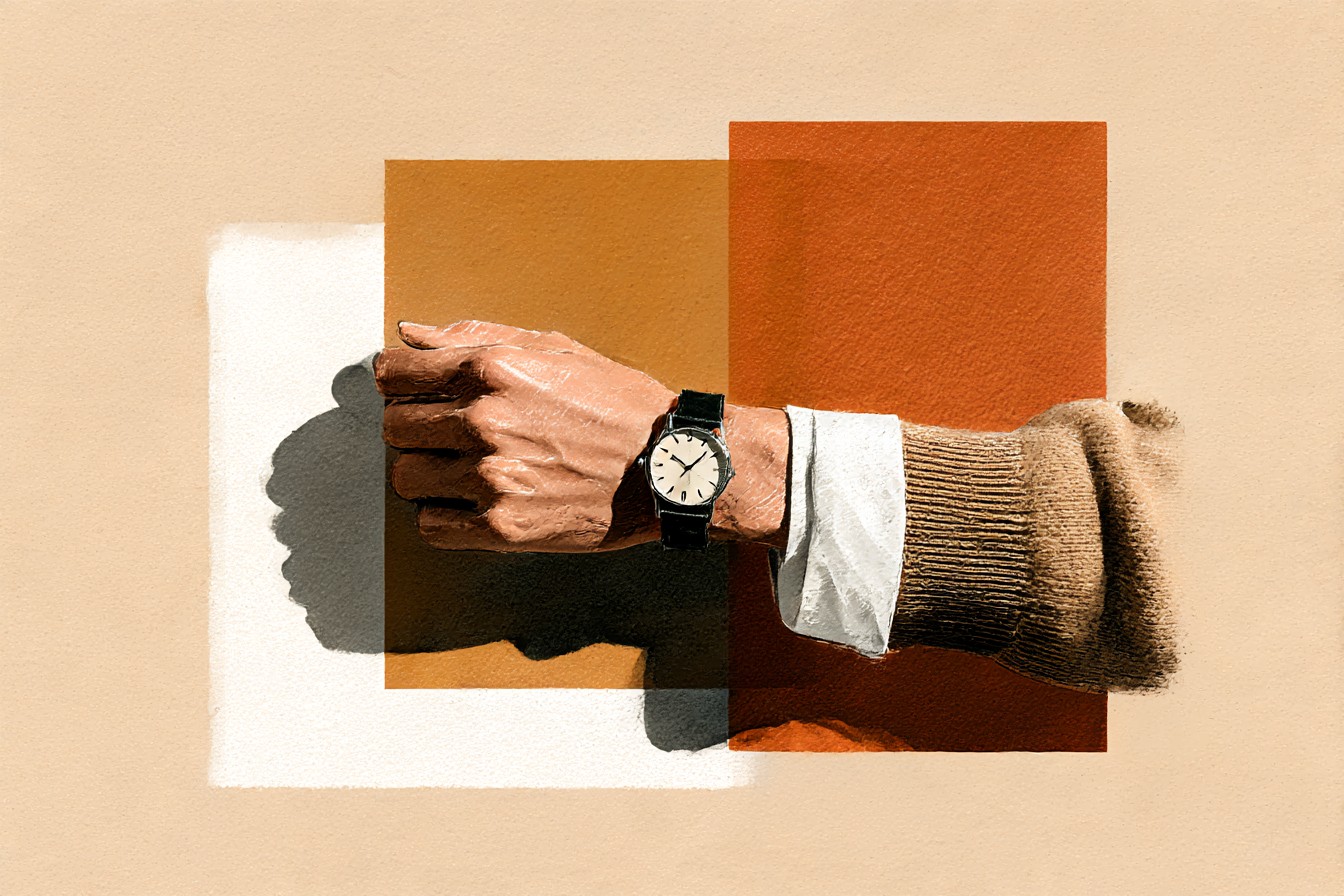
My friend Marcus sent me a text last month. It was a photo of a watch he was about to purchase. Some basic field watch with a canvas strap. Price tag: nine hundred dollars. His message simply said “this is what everyone’s wearing now right?” For several seconds I stared at his text reply icon rotating like I needed the message to tell me something else. I own three watches nearly identical to that one.

Cost me maybe sixty bucks for all three, together. Bought them individually over ten years rummaging through tables at estate sales around Pittsburgh. Here’s the thing about trends no watch salesperson wants to tell you. Half the stuff being marketed as trending right now had a cheap version available forty years ago. They just added better lighting and called it new again.
Don’t get me wrong, I don’t think Marcus made a poor decision. What frustrates me is how treating something like a “watch trend” feels like reporting when it’s really just a wardrobe shift of something gathering dust since 1978.
Ready for trend cycle truth?
## Trends aren’t new, they’re nostalgia with a marketing department
Let’s start with what’s trending right now. Field watches, big time. Dive watches with that rubber bezel that never quite fully wraps? Trending. Thin, rectangle dress watches your grandpa had but forgot he owned? Trending. If that list sounds like every type of watch that’s ever been produced, that’s because it is. Styles haven’t come back and been reborn as something new. Brands just pick a different decade to loot every few years and convince customers it’s progression. Today we’re buried in rebirth of 19ties military watches, last year everyone was carrying some beefy diver watch, and before that things were so thin mom could read your time across the dinner table.
Marketing making it a “new trend” is genius if you don’t know any better. Selling “new” watches is difficult when a watch is literally a piece of circle with some lines on it. Instead you sell stories about them. “This was worn by a bomber pilot!” “This was specially issued to soldiers who served in a particular squadron!” “This specific watch model was discovered in a New Jersey warehouse and we are the first to offer you true to original reproductions!” Look…I love watching a great story on a timepiece as much as anybody else. I live off of reading tiny font on tags and labels for a living. I’m not saying stories don’t matter. What I’ll take issue with is brands making up “history” for watches their marketing department cooked up last Tuesday.
My problem lies in watching guys get sold on that story instead of the actual watch. People will spend three times what something is worth because the sales brochure mentioned “WWII” or “California Oil Rigs” or “Amundsen’s Expedition”. Words and decade’s that give their purchase some false sense of weight. What happens to get overlooked? The movement that powers it. How the crown feels when you wind it. Whether the brand actually cares about quality or just throwing something out with their name on it. Trends tell you what to look at. They don’t ensure you’re actually getting something good to look at.
## If you want my buy recommendations
Say you actually do care about current trends, but don’t want to get sniped by some funky email marketing. You want a watch that not only fits the hype, but is something I’d suggest regardless. Grab a basic field watch. Thirty six to thirty eight millimeters. Canvas or leather strap. Dial with actual numbers on it. None of this fancy business of unmarked “indexes” trying to pass as minimalist. That size and style has been popular for roughly eighty years, give or take. Longevity trend cycles can’t even dream of and just so happens to be on trendy nowadays too. Buy that watch. Don’t over pay and buy something some “trend expert” put on his list, just buy that watch.
Real talk now. Some of my favorite watches didn’t come from store shelves. Tables. Folding tables full of watches someone’s grandma decided to unload at an estate sale. There’s a woman who runs a table on Sundays near my apartment that knows me so well, she pulled a stainless steel diver watch aside last Spring and didn’t say a word about it. Didn’t sell me on it, didn’t give me a grand story about it like it was the last watch on earth. She knows by now what I’m looking for when I walk through that table so she just told me when she was done with her customer and “thought of me”. Ends up it was a solid 1980s watch, movement was still running great, and I paid less than Marcus did on the band of his new trendy one. Got it home, popped it open to see what condition it was in under my kitchen lights and noticed a hairline scratch across the crystal I apparently didn’t catch when examining it at her table.
Been there enough times to know I’m going to miss details sometimes, but it didn’t effect the movement at all. If anything that little scratch made me enjoy it more because at least it felt like a watch that had actually been worn.
That advice isn’t going to apply to everyone I know, and I understand that. Not everybody wants to get up on Saturday morning and sift through dusty bins looking for the watch that will actually keep time. If you’re shopping new, shop the field watch. Shop the plain jane diver. Stay away from anything that spends more time talking about what decade it’s from than what’s actually in the watch itself. But if you can spare the time and don’t mind some scratches here and there, the absolute best timepiece you’ll wear all year isn’t showcased in a Rolex colored display at your local mall. It’s tucked away in some cardboard box at an estate sale because the people selling it don’t know any better, and the fact it’s not “trending” yet is why you should buy it.

Callum has spent ten years digging through car boot sales and charity shops in Glasgow. He writes about vintage menswear and old workwear, and he’s happiest when he’s found something good buried at the back of a rail.