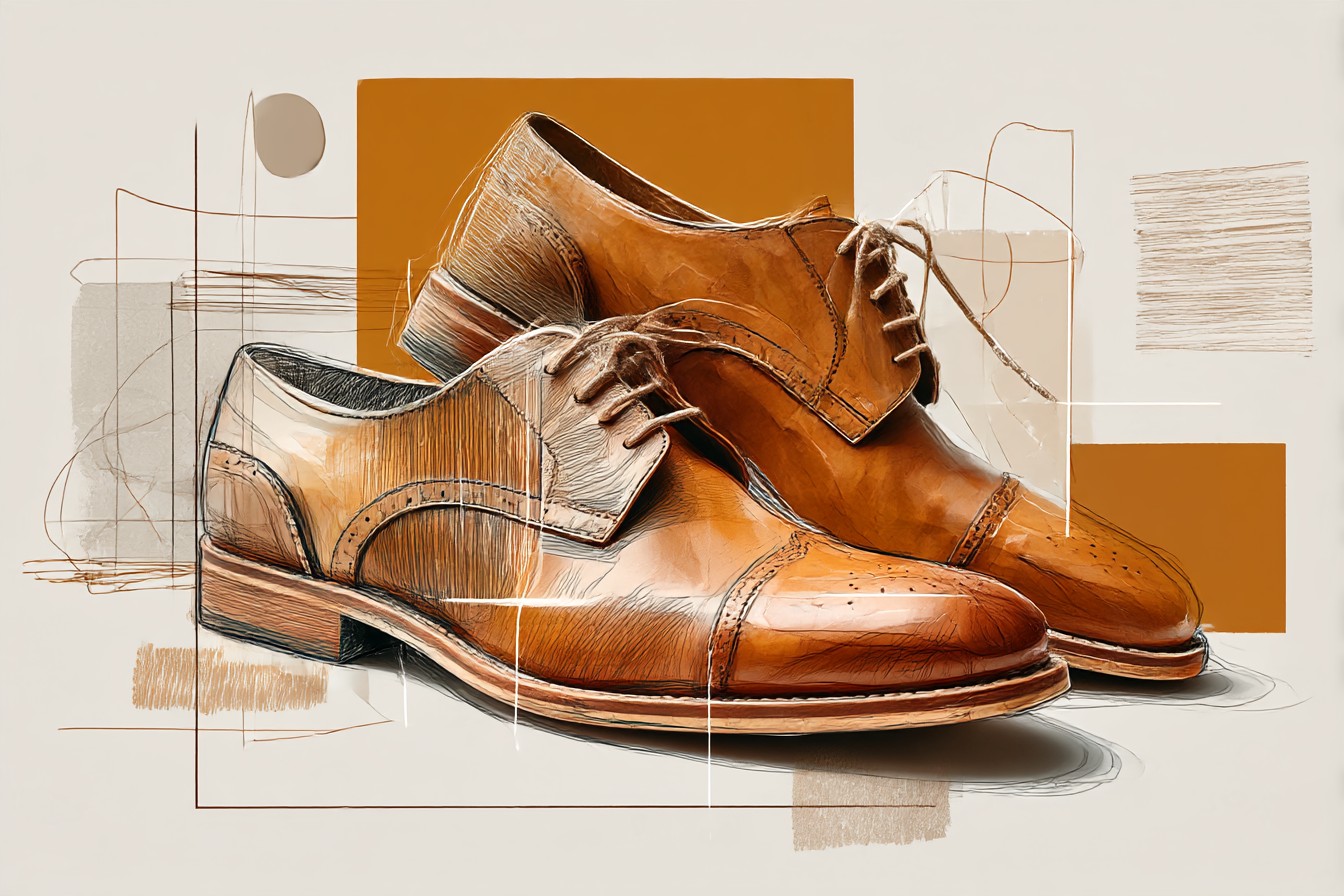
I sold shoes for nearly thirty years and I can tell you the exact sentence that used to make me lose my lunch every time. A man would stroll up to the counter with a shoebox vibrating disdainfully in his grip and say: “These are supposed to go with everything.” Shoes that go with everything are where good money goes to die. Nothing goes with everything. A shoe that matches your gray suit, your jeans, and your father in law’s funeral was actually just kind of mediocre in all three and I sold dudes that mediocrity intentionally for three decades because a sign told them it was efficient.
Right. So let’s actually have this argument then, because there is one. It’s just louder in menswear forums than it has any business being.
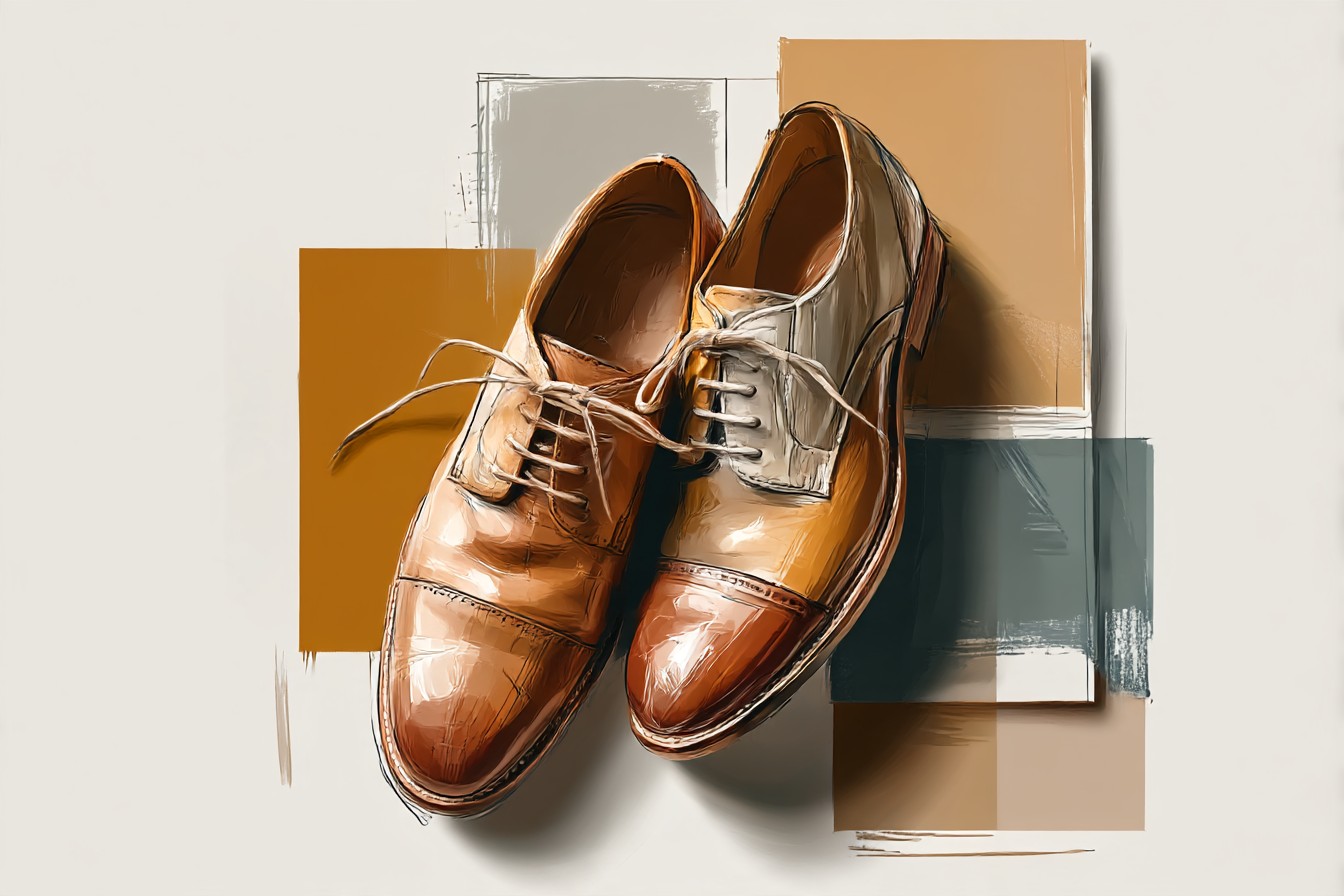
Group A is going to try to tell you a cap toe oxford in black is the only dress shoe you need, period, end of story, buy one good pair. Group B hates those guys and thinks they’re boring and will argue a closet with only one dress shoe in it belongs to a man who’s never been invited anywhere worth going once said dress shoe is worn out. Somewhere in between these two extremes is the truth and also where I live now, but I’ve sold shoes to both of these people. Been both of these people at various times in my life. So here’s what I think: they’re both kinda wrong. And probably where.
One pair isn’t everything because people with actual lives wear shoes
Look, I’m saying this as someone who spent the better part of the 2000s trying to convince customers of the exact opposite because it sounds fancy and got me more money once but made me feel zero better about myself: a single black cap toe is fine. One pair is fine. It is also though, if worn for every single situation it’s supposedly good for, worn out in about eight months because you’re not letting that leather breathe between wears. Proper shoes need to air out and reshuffle themselves when they’re not bearing weight. Shoes you wear all the time don’t get that luxury. I have a pair of black cap toes from 2004 that still look brand new today and the only reason is that they spent half their existence on cedar shoe trees while another pair did the fetching and carrying. One shoe doing everything doesn’t get that luxury. It just wears out and gets replaced sooner, which isn’t cheap either.
The “Buy four just in case!” crowd falls prey to the opposite problem which is buying shoes you don’t actually need just because you can. I did this for years. I once owned, during an entire decade of my life in my forties no less, six distinct pairs of dress shoes. Six. If you had stopped me on the street and asked me to explain to you in any meaningful way why pair four was a better/useful/adds variety to pair five than any other pair in my closet I could’ve not done it. They were both brown. Both roughly the same shade of brown. Both were wingtips with maybe an inch’ difference in brogueing that would’ve been impossible to notice unless you were me and the guy who made them both.
That’s variety for variety’s sake folks and there’s nothing wrong with that. But it’s not being strategic, it’s collecting hobbies like shells on the beach and then selling yourself on the idea they’re utility.
Here’s what’s worth spending the money on and what isn’t
So here is my trimmed down shopping list and it is narrower than either of these dudes want to believe. Three shoes. Only three if you’re going to do it right, three that should each earn their keep based not on how they look next to each other but the jobs they can go to that others can’t. Black cap toe oxford. Period. Full stop. There is no dress shoe less formal that works anywhere you can wear that shoe, so anything less and you’re just fashion gaming yourself into buying a pair of sneakers to wear to your cousin’s wedding. Brown derby, just enough suede heel/toe to tell them apart but close enough that they can swap with each other seamlessly depending on who sends the invite. Dress shirt and slacks? Derby. Suede thinking about kicking them off at the resort? Brown cap toe still doesn’t fit the bill? Derby. Then you need more dress shirts.
And finally, a loafer. Don’t @ me yet. There’s an entire subset of occasions where a lace up shoe is just flat out too formal and honestly? Most days of adult life fall into that category. You show up to somewhere you could’ve worn a loafer and you wear a shoe with laces anyway and it reads pretentious, plain and simple.
That is your list. Three shoes. Not four. Definitely not six. And honestly folks, probably not one.
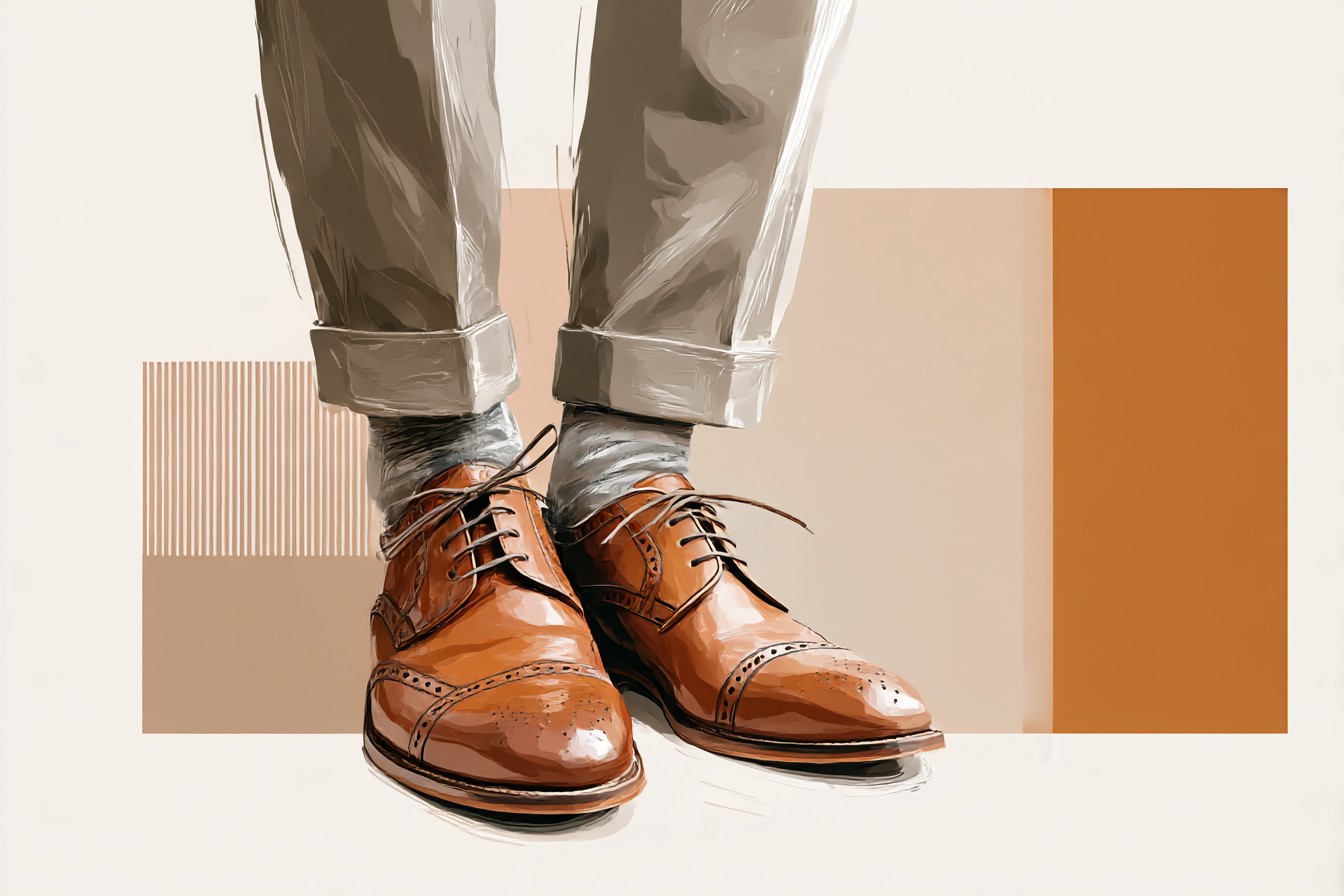
My brother stared across at my shoe rack one day years back when I still had all those six and didn’t say anything for ten seconds. Those ten seconds meant more about my actually needing any of them than any goon from the four shoe bro camp will ever understand, which is “probably not enough to matter.”
The money you should be spending is on construction, not number of footwear coordinates. That Goodyear welt on your shoe means you can get it resoled literally forever. Buy that $120 shoe that’s only sewed together and the “you save $80!” teacher just cost you an entirely new shoe in three years when the sole starts coming up. And then you have to do it again. I’ve got that black cap toe I mentioned from 2004 on its third sole. The leather uppers haven’t changed since it rolled off the assembly line. By any rational timeline I’ve owned that shoe once and worn it for two decades, and that, my friends, is way cheaper than some idiot salesman trying to convince you these shoes go with everything.

Reg spent thirty years buying for a menswear shop floor in Sheffield before it closed. He writes about clothes built to last, compares every new buy with something he’s owned for twenty years, and has made most of the expensive mistakes already.